Seattle › Short Trips
Updated: June 27, 2026
See Also
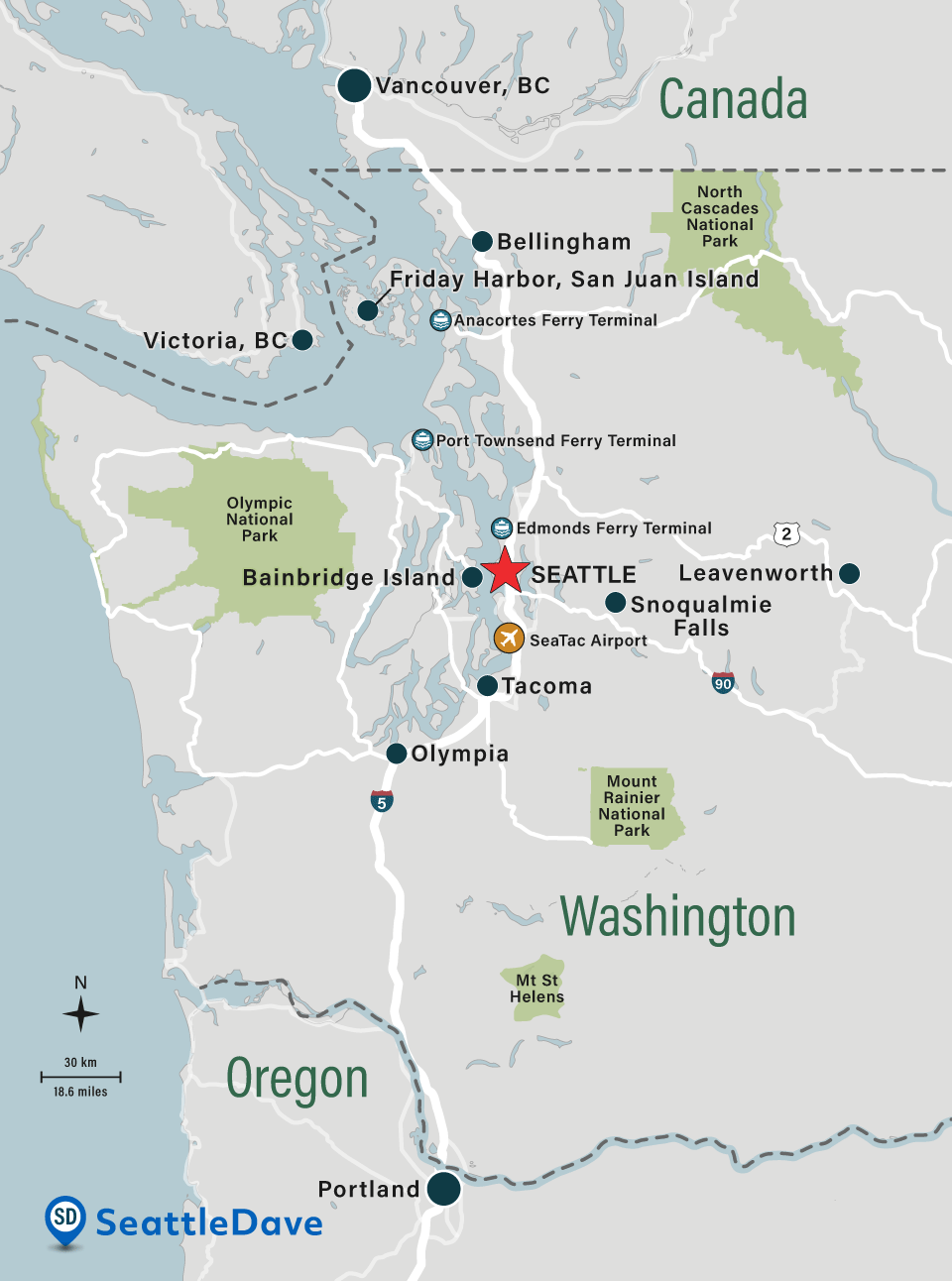
Seattle is one of the best cities in the U.S. for short trips, but the trick is choosing the right one for the time you actually have. A ferry ride to Bainbridge is easy. A day at Mount Rainier can be fantastic, but only if you leave early and understand the drive. The San Juan Islands are magical, but they are usually a weekend trip, not a casual day trip. The Olympic Peninsula is spectacular, but it is bigger and slower than most visitors expect.
My advice: do not just pick the prettiest place on a list. Pick the trip that matches your schedule, season, transportation, and tolerance for logistics. Seattle short trips are all about tradeoffs: ferry lines, mountain weather, traffic, daylight, car rental timing, and how much moving around you actually want to do.
Quick Picks: Best Short Trips from Seattle
- Best easy car-free day trip: Bainbridge Island. Walk onto the ferry downtown, have lunch in Winslow, wander shops and waterfront paths, and come back when you’re done.
- Best half-day trip: Snoqualmie Falls. Beautiful, simple, close, and easy to pair with lunch or a spa visit at Salish Lodge.
- Best no-car city trip: Tacoma. Museums, waterfront, good food, and a real city feel without needing to rent a car.
- Best wine trip: Woodinville. Close to Seattle, especially good for couples or groups who want tasting rooms without driving across the state.
- Best island day trip with a car: Vashon Island. Rural, quiet, artsy, and very different from Seattle, but easier with your own wheels.
- Best island weekend: Whidbey Island. Beaches, small towns, farms, state parks, and enough variety for two nights.
- Best mountain day trip: Mount Rainier. Go in July, August, or September, leave early, and treat it like a full-day commitment.
- Best winter weekend: Leavenworth. Snow, lights, mountain scenery, and a fun change of mood from Seattle.
- Best nature weekend: Olympic Peninsula. Rainforest, mountains, lakes, beaches, and the most dramatic scenery within a few hours of Seattle.
- Best romantic splurge: Salish Lodge at Snoqualmie Falls, Inn at Langley, or PostHotel Leavenworth.
- Best longer weekend: San Juan Islands. Wonderful, but do not underestimate the ferry planning.
Short Trips from Seattle: What Works Without a Car?
You can do several good short trips from Seattle without renting a car. But the list is shorter than many visitors expect. Seattle itself is very doable without a car, especially if you stay in the right neighborhood, but many of the best regional escapes are spread out, rural, or dependent on ferry timing.
Best car-free or car-light trips from Seattle:
- Bainbridge Island: The easiest and best. Walk from most downtown hotels to Pier 52, ride the ferry, then walk into Winslow.
- Tacoma: Good by Sounder train on weekdays, Amtrak, bus, or rideshare. Once downtown, museums and the waterfront are manageable by foot, rideshare, or local transit.
- Woodinville: Possible by bus or rideshare, but better if you do not plan to hop between too many tasting areas. Rideshare works well from Seattle if there are two or more of you.
- Snoqualmie Falls: Possible by tour or rideshare, but easiest by car. It is close enough that renting a car for just a half day can make sense.
- Leavenworth: Possible by Amtrak or bus, but the train times are not ideal for a same-day trip. Better as an overnight car-free getaway.
- San Juan Islands: Possible without a car if you are patient and strategic, but not as easy as it used to be from downtown Seattle. Seaplane is the cleanest car-free option if budget allows.
For more detail on whether you need a vehicle in the city itself, read my guide to Seattle without a car.
When I’d Rent a Car
I would rent a car for Mount Rainier, Whidbey Island, Vashon Island, the Olympic Peninsula, North Cascades, and most San Juan Islands trips. You can technically reach some of these places without one, but you will spend too much time working around limited transit, ferry schedules, and rural distances.
For visitors staying downtown, I usually would not rent a car for the full Seattle stay. Parking is expensive, hotel garages are annoying, and you do not need a car for Pike Place Market, Seattle Center, Capitol Hill, Pioneer Square, ferries, or most classic city sightseeing. A better strategy is to stay central, enjoy Seattle without a car, then rent one only for the day or two when you leave the city.
If your short trip is at the beginning or end of your visit, think carefully about airport logistics. SeaTac is south of Seattle, so trips to Tacoma or Mount Rainier can pair fairly well with an airport arrival or departure. Trips to Whidbey, Anacortes, the San Juans, or the Olympic Peninsula generally do not. For city arrival logistics, see my guide to getting from Seattle Airport to Downtown.
Seattle Ferry Trip Basics
Ferries are part of what makes Seattle special, but they are also where visitors get tripped up. A ferry can be easy and fun as a walk-on passenger, or slow and stressful with a car on a summer weekend.
- Walk-on ferries are usually easy. Bainbridge is the best example. You buy a ticket, walk on, enjoy the view, and walk off into town.
- Driving onto a ferry is different. You may wait through one or more sailings on busy weekends, especially in summer.
- Reservations are not available on most Seattle-area ferry routes. Bainbridge, Vashon, and Mukilteo-Clinton are generally first-come, first-served for vehicles.
- San Juan Islands ferries are different. If you are taking a vehicle from Anacortes to San Juan Island, Orcas, Lopez, or Shaw, make a vehicle reservation.
- Sunday afternoon is the classic problem time. Everyone who went away for the weekend is trying to get back to Seattle.
- Ferry routes can be affected by crew shortages, weather, tides, and mechanical issues. Always check the current sailing status before leaving.
My simple ferry rule: walk on whenever the destination works without a car. Take the car only when you truly need it.
Best Months for Short Trips from Seattle
July, August, and September are the best months for most short trips from Seattle. The weather is drier, mountain roads are open, ferry rides are more pleasant, and long daylight makes ambitious day trips easier. July and August are best for Mount Rainier wildflowers, lake days, island weekends, and Olympic Peninsula hiking. September is my favorite overall month: still warm, fewer families traveling, less smoke risk than some August weeks, and usually excellent light.
May and June can be great for islands, Tacoma, Woodinville, and Snoqualmie Falls, but mountain destinations are still transitional. Mount Rainier and North Cascades hikes can have lingering snow well into July depending on elevation.
October through April is better for cozy trips than big scenic checklists. Think Bainbridge lunch, Tacoma museums, Woodinville tasting rooms, Snoqualmie Falls after rain, Leavenworth winter weekends, and stormy Olympic Peninsula getaways. Mount Rainier can be beautiful in winter, but it becomes a snow and road-condition trip, not a casual sightseeing day.
For month-by-month summer planning, see my guides to Seattle in July, Seattle in August, and Seattle in September.
The Best Short Trips from Seattle
1. Bainbridge Island
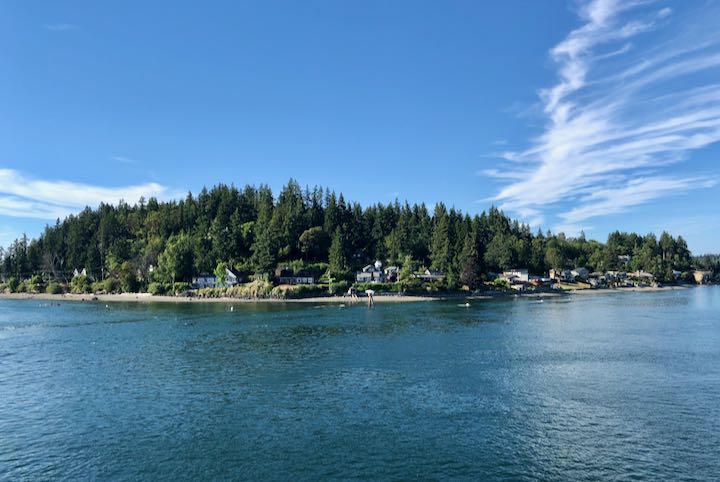
Best for: First-time visitors, ferry views, lunch, easy walking, couples, families, and anyone without a car.
Time needed: Half day to full day.
Car needed: No for Winslow. Yes if you want to explore beaches, Bloedel Reserve, or the full island.
Best months: Year-round. Best in May through October.
How to get there: Walk or rideshare to Pier 52 on the downtown Seattle waterfront, then take the ferry to Bainbridge Island. The crossing takes about 35 minutes. From the Bainbridge terminal, it is an easy walk into Winslow.
If someone has one free day in Seattle and wants to “get out on the water,” this is the trip I recommend most often. The ferry ride itself is the point: downtown skyline behind you, Elliott Bay around you, the Olympics ahead if the weather cooperates. It feels like a proper Northwest experience, but it does not require a car, a tour, or a complicated plan.
Most visitors stay in Winslow, the small town just above the ferry dock. It has restaurants, coffee, shops, a good bookstore, wine tasting, the Bainbridge Island Museum of Art, and waterfront paths. You can make it a relaxed lunch trip or stretch it into a full day.
The common mistake is bringing a car for a simple Bainbridge day trip. If you only want Winslow, do not drive. Walk on. It is cheaper, easier, and more fun. Driving makes sense only if you want to visit Bloedel Reserve, Fay Bainbridge Park, Rolling Bay, or the farther corners of the island.
What I’d do: Take a late-morning ferry, walk into Winslow, get coffee or lunch, visit the art museum, browse Eagle Harbor Book Co., walk along the marina, then return on whatever ferry timing feels right. In summer, go earlier or later in the day for a calmer ride.
Where to stay: Bainbridge works better as a day trip than an overnight for most Seattle visitors. If you do stay, look near Winslow if you want to remain car-light. For a quieter island-style stay, you will probably want a car.
2. Snoqualmie Falls and Salish Lodge
Best for: Half-day sightseeing, romantic escapes, waterfalls, easy logistics, and visitors with limited time.
Time needed: 2 to 5 hours. Overnight if staying at Salish Lodge.
Car needed: Yes, unless taking a tour or rideshare.
Best months: Year-round. The falls are especially dramatic after rain.
How to get there: About 35 to 45 minutes by car from downtown Seattle in normal traffic.
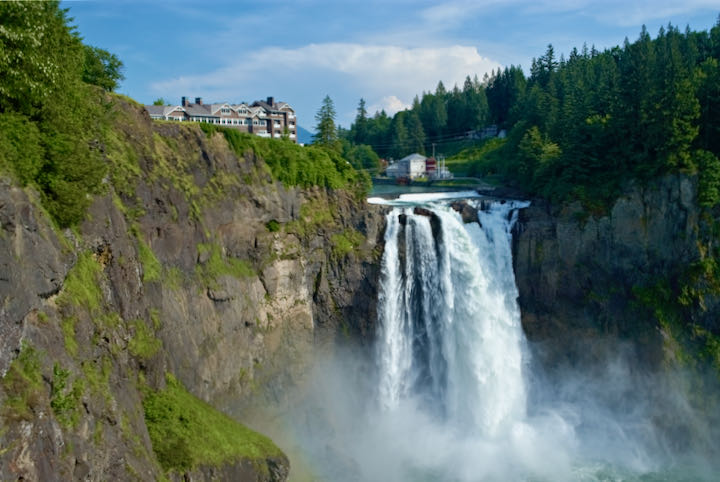
Snoqualmie Falls is the easiest big-scenery trip from Seattle. It is not a wilderness day, and it is not a substitute for Mount Rainier or the Olympic Peninsula, but it delivers a lot for very little effort: a huge waterfall, easy viewpoints, a short trail, and a good hotel and restaurant right beside it.
The upper viewpoint is close to the parking area and works well for almost everyone, including travelers who do not want a real hike. There is also a lower trail, but the main payoff is the upper view. On a misty or rainy day, the falls can actually be better than in perfect sun.
Salish Lodge is the classic splurge here: fireplaces, spa, big Northwest lodge feel, and a location directly above the falls. It is ideal for anniversaries, birthdays, babymoons, or a one-night reset without committing to a long drive.
What I’d do: Drive out in the morning, see the falls before the biggest crowds, have brunch or lunch at Salish Lodge, then add downtown Snoqualmie or North Bend if you want more time out of the city. If you only have half a day, this is one of the cleanest trips from Seattle.
Good pairing: Snoqualmie Falls plus Woodinville can work as a full day if you have a car and want waterfall in the morning, wine tasting in the afternoon.
3. Woodinville Wine Country
Best for: Wine tasting, couples, groups, rainy days, low-effort weekends, and visitors who do not want a long drive.
Time needed: Half day to full day. Overnight if making it a relaxed wine weekend.
Car needed: Not necessarily. Rideshare is often smarter if wine tasting.
Best months: Year-round. Best patio weather is June through September.
How to get there: About 30 to 45 minutes by car or rideshare from downtown Seattle, depending on traffic.
Woodinville is not where most Washington grapes are grown, but it is where many wineries have tasting rooms close to Seattle. That makes it one of the most useful short trips from the city. You get a Washington wine experience without driving to Walla Walla, Yakima, or the Columbia Valley.
The key is understanding that Woodinville is spread across several tasting districts. It is not one cute village where everything is on a single pedestrian street. The Hollywood District is the best-known area and works well for first-timers, with big-name tasting rooms, restaurants, and hotels nearby. The Warehouse District is less polished but fun if you are more serious about tasting and do not care about vineyard scenery. Downtown Woodinville is improving, but I would still choose based on the tasting rooms you want rather than assuming it is a walkable wine town.
If you are staying downtown Seattle, I would usually rideshare to Woodinville rather than rent a car. For two to four people, the cost is often worth it, and nobody has to drive after tasting. If you want to combine Woodinville with Snoqualmie Falls, then a car makes more sense, but designate a driver.
What I’d do: Pick one tasting area, make one or two reservations, leave room for lunch, and do not over-schedule. Woodinville is much more enjoyable when you are not racing between tasting rooms.
Where to stay: Woodinville can be a good last-night splurge if you have a car and an afternoon flight the next day, but it is not convenient for classic Seattle sightseeing. Stay in Seattle first, then use Woodinville as an add-on.
4. Tacoma
Best for: Museums, glass art, waterfront walks, families, concert trips, and a real city day outside Seattle.
Time needed: Full day. Overnight for concerts, museums, or a slower waterfront stay.
Car needed: Helpful, but not required if focusing on downtown museums.
Best months: Year-round. Best for rainy-day alternatives to outdoor trips.
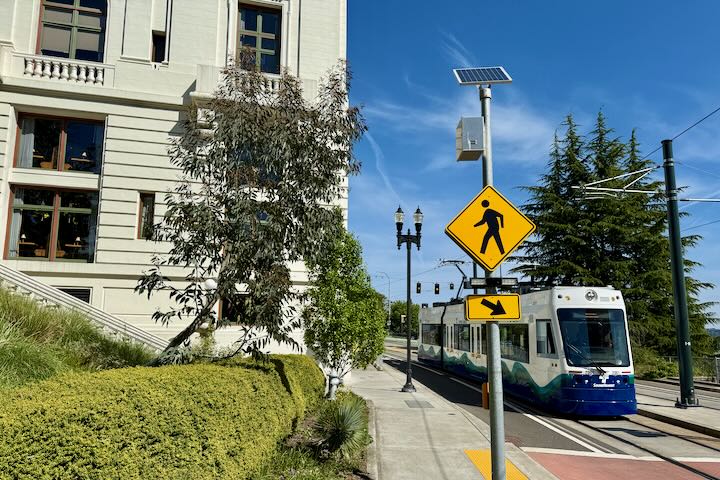
How to get there: About 45 minutes by car in good traffic, longer in rush hour. Sounder commuter train, Amtrak, and buses can work depending on day and schedule.
Tacoma is underrated by Seattle visitors. It is not prettier than Bainbridge, and it is not as dramatic as Mount Rainier, but it has a strong mix of museums, waterfront, food, and actual local character. It also works when the weather is gray, which matters in Seattle.
The best first-time Tacoma day is centered around downtown: Museum of Glass, Chihuly Bridge of Glass, Washington State History Museum, Tacoma Art Museum, and the old Union Station area. If you have kids or car people in the group, LeMay – America’s Car Museum is the big add-on.
For outdoor time, go to Point Defiance Park and the Ruston Way waterfront. Point Defiance is one of the best urban parks in the region, with forest, beaches, views, gardens, and the zoo. Ruston Way is good for walking, eating, and getting a different angle on Puget Sound.
Tacoma is also useful logistically. If you are flying into SeaTac and renting a car, Tacoma can make sense before heading to Mount Rainier or the Olympic Peninsula. It is not the right base for seeing Seattle itself, but it can be a good first or last night if your plans point south.
What I’d do: Take the train or drive down mid-morning, do the Museum of Glass and Tacoma Art Museum, have lunch downtown, then rideshare or drive to Point Defiance or Ruston Way in the afternoon.
Where to stay: Stay downtown if you are doing museums or a Tacoma Dome event. Stay near the waterfront if you want a slower, prettier overnight.
5. Vashon Island
Best for: Quiet island drives, farms, beaches, low-key food stops, artists, and repeat Seattle visitors.
Time needed: Full day.
Car needed: Yes, for most visitors.
Best months: May through October. Good year-round if you like quiet, gray island days.
How to get there: Drive to the Fauntleroy ferry terminal in West Seattle and take the ferry to Vashon. You can also reach Vashon from Tacoma or Southworth, depending on route.
Vashon is the island I recommend when someone wants a quiet, local-feeling escape rather than a polished visitor experience. It has farms, forests, beaches, small galleries, roadside stands, and a slightly funky, independent personality. It is close to Seattle, but it feels farther away than Bainbridge.
The catch: Vashon is not nearly as easy without a car. The island is long, the sights are spread out, and the best day is a meandering drive, not a point-to-point walk. You can walk onto the ferry and use limited local bus service, but I would not recommend that for most first-time visitors.
A good Vashon day might include coffee or lunch in Vashon town, a stop at a farm stand, a beach walk at Point Robinson, and a slow drive through the island. The pace is the whole appeal. Do not come here with a checklist.
What I’d do: Go on a weekday or early on a weekend, bring the car, keep the plan loose, and avoid trying to make it a “see everything” day. Check ferry wait times before heading back, especially on sunny weekends.
Where to stay: Vashon has a few inns and rentals, but for most Seattle visitors it is a day trip. If you want a very quiet island overnight, it can be lovely, but book early in summer.
6. Whidbey Island
Best for: Weekend trips, beaches, small towns, state parks, farms, and a classic Puget Sound island feel.
Time needed: Full day minimum, but much better as one or two nights.
Car needed: Yes.
Best months: May through October. September is excellent.
How to get there: Most visitors drive north from Seattle to Mukilteo, take the short ferry to Clinton, then continue up the island. You can also drive off the north end via Deception Pass and return by I-5, making a good loop.
Whidbey is one of the best short trips from Seattle because it has real variety: ferry ride, beaches, farms, forests, state parks, small towns, and good food. It is easier than the San Juans, more substantial than Bainbridge, and more scenic than many visitors expect.
The island is long, so choose your base carefully. Langley is the prettiest and most romantic town, with water views, galleries, restaurants, and a walkable center. Coupeville is historic, quiet, and close to Ebey’s Landing. Oak Harbor is more practical than charming, but useful for Deception Pass and the north end.
My favorite Whidbey itinerary is a one-way loop: Seattle to Mukilteo, ferry to Clinton, stop in Langley, continue to Greenbank Farm or Coupeville, walk Ebey’s Landing if weather is good, then visit Deception Pass before driving back south on I-5. It is a full day, but a good one. Better still, stay one night and slow it down.
What I’d do: For a day trip, focus on Langley and one outdoor stop. For a weekend, stay in Langley or Coupeville and give yourself time for Ebey’s Landing, Fort Casey, Deception Pass, and a long meal.
Where to stay: Inn at Langley is the romantic splurge. Coupeville has smaller inns and vacation rentals. Book early for summer weekends.
7. Mount Rainier National Park
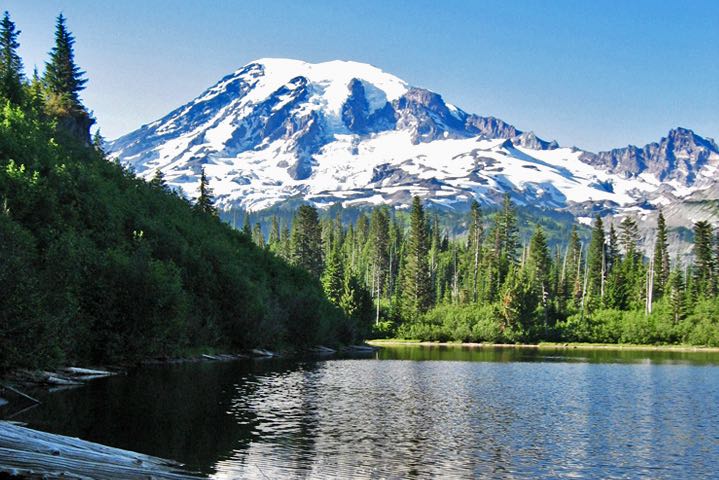
Best for: Big mountain scenery, wildflowers, hiking, photography, and first-time Washington visitors with a full day.
Time needed: Full day from Seattle. Better with one night nearby.
Car needed: Yes.
Best months: July through September for the easiest hiking and sightseeing. Winter is a snow trip.
How to get there: The Nisqually Entrance near Ashford is the most common year-round approach from Seattle, usually about 2 to 2.5 hours each way before traffic, stops, and park delays.
Mount Rainier is the most impressive day trip from Seattle, but it is also one of the easiest to underestimate. On a clear summer day, it is absolutely worth it. But it is not a casual little drive to a viewpoint. You need an early start, a car, layers, food, water, downloaded maps, and realistic expectations about crowds and parking.
For most first-time visitors, Paradise is the best target. It has the classic Rainier views, visitor services, wildflower meadows in season, and several good hikes or short walks. Sunrise is higher, more open, and spectacular, but it has a shorter season and is less convenient from many Seattle itineraries.
In 2026, Mount Rainier is not requiring timed-entry reservations, but that does not mean you can roll in late on a sunny August Saturday and expect an easy day. Parking and entrance lines can still be a mess. Go early, go on a weekday if possible, or arrive later in the afternoon if you are not doing a big hike.
Weather matters. If the mountain is socked in, Rainier can still be atmospheric, but the big payoff is reduced. Check the forecast and webcams before committing. Also remember that snow lingers late. Many higher-elevation trails are still not fully summer-like in June.
What I’d do: Leave Seattle very early, enter via Nisqually, go to Paradise, choose one hike or meadow walk based on conditions, then stop in Ashford or Elbe on the way back. Do not try to combine Rainier with another major destination on the same day.
Where to stay: For a better experience, stay near Ashford the night before or after. Paradise Inn is the classic in-park choice when available, but it books early and has a short operating season.
8. Leavenworth
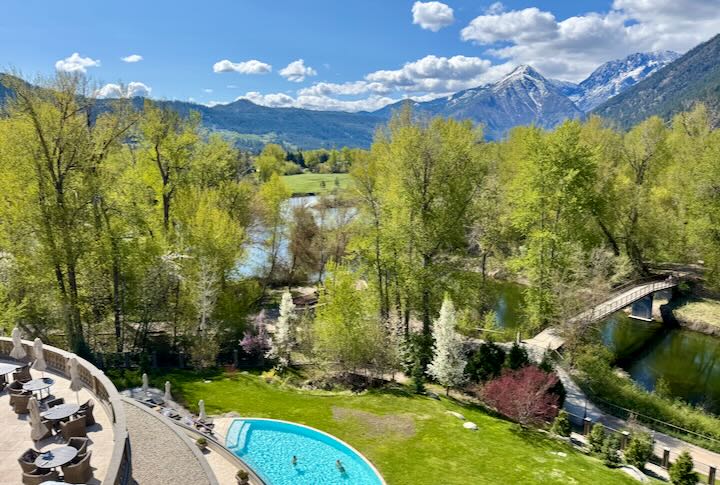
Best for: Weekend trips, winter lights, mountain scenery, families, couples, beer gardens, and river walks.
Time needed: Long day possible, but much better as one or two nights.
Car needed: Strongly recommended, though Amtrak or bus can work for overnights.
Best months: December for lights, July and August for river and hiking, September and October for fall color and Oktoberfest energy.
How to get there: About 2.5 hours by car in good conditions. Train and bus service exist, but schedules are better for overnight trips than day trips.
Leavenworth is touristy, yes. It is also fun, scenic, and genuinely useful as a short trip from Seattle. The Bavarian theme can feel a little over the top, but the mountain setting is real, and the town works in almost every season.
In summer, the appeal is rivers, hiking, patios, and long evenings. In fall, it is color, events, and cooler mountain air. In December, Leavenworth becomes one of the most popular winter escapes in Washington, with lights, snow, crowds, and expensive weekends. In winter, check pass conditions before driving. Stevens Pass can be snowy, slow, or stressful if you are not used to mountain driving.
The biggest mistake is treating Leavenworth as a relaxed day trip. You can do it, but it is a lot of driving for a few hours in town. I think it works much better as an overnight. Two nights is ideal if you want to hike, raft, ski, or just enjoy the hotel.
PostHotel Leavenworth is my favorite hotel in town and one of the best romantic hotel stays in Washington. It is not cheap, but it changes the trip. Instead of just walking around a busy themed town, you get a real spa-and-mountain weekend.
What I’d do: Stay one night minimum, walk the Waterfront Park trail, have a long lunch or dinner, leave time for the river, and avoid peak Saturday arrival if going during the holidays.
9. Olympic Peninsula and Olympic National Park
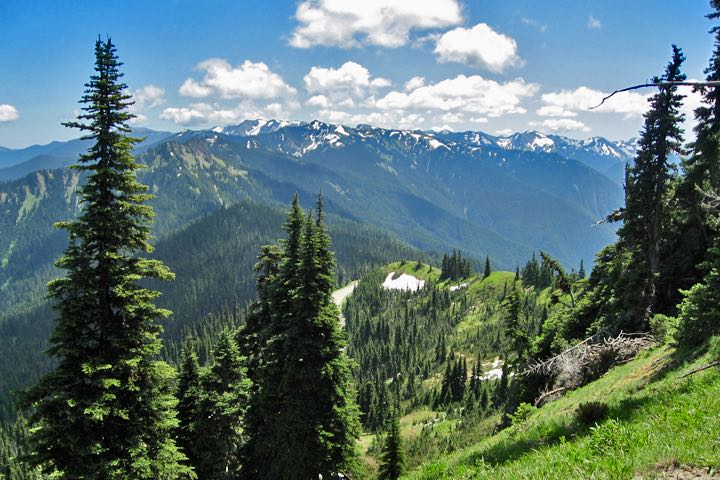
Best for: Rainforest, mountains, lakes, beaches, wildlife, road trips, and big Northwest scenery.
Time needed: One long day for a small piece. Two to four nights is much better.
Car needed: Yes.
Best months: July through September for the easiest logistics. Spring and fall are beautiful but wetter.
How to get there: Most visitors go by ferry via Bainbridge or Edmonds, or drive south through Tacoma and around Hood Canal depending on destination.
The Olympic Peninsula is incredible, but it is not one place. It is a huge region with mountains, rainforest, lakes, small towns, and wild Pacific beaches separated by long drives. This is where visitors often make the biggest planning mistake: they try to “do Olympic National Park” as a quick day trip from Seattle.
You can do a long day to Hurricane Ridge and Port Angeles if conditions are good. You can also do a ferry-and-Hood-Canal day focused on scenery and small stops. But if you want the real Olympic experience, plan at least two nights.
Port Angeles is the most practical base for Hurricane Ridge, Lake Crescent, and the north side of the park. Lake Crescent is beautiful and works well if you want a quieter nature stay. Forks is useful for Hoh Rain Forest and Pacific beaches, but it is not charming in the way many visitors imagine. Port Townsend is not the best base for the national park, but it is one of the best small-town overnights near Seattle.
If you only have one day, be conservative. Pick one area. Do not combine Hurricane Ridge, Hoh Rain Forest, and Rialto Beach in a single day from Seattle unless your idea of vacation is sitting in a car for most of it.
What I’d do: For one night, choose Port Townsend or Port Angeles. For two or three nights, do Port Angeles or Lake Crescent plus the west side beaches. For a true loop, give it at least three nights.
Where to stay: Port Angeles is practical. Lake Crescent Lodge is classic and scenic. Port Townsend is better for restaurants, historic buildings, and a pretty small-town stay.
10. San Juan Islands
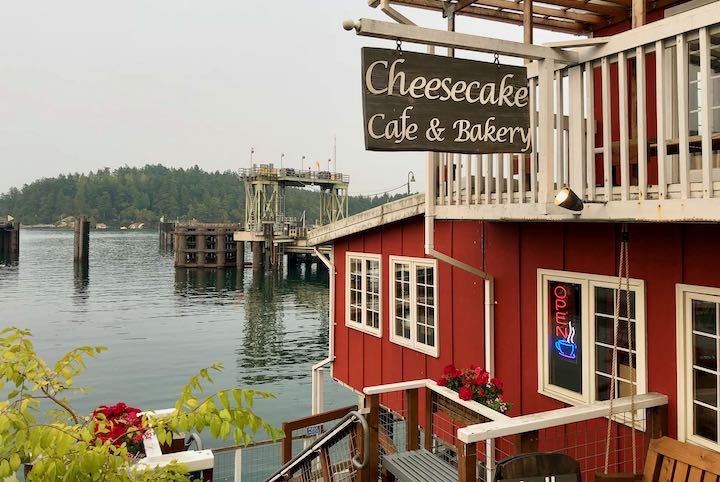
Best for: Romantic weekends, whale watching, kayaking, quiet island time, and longer summer trips.
Time needed: Two nights minimum. Three is better.
Car needed: Helpful on San Juan Island and Orcas. Less important if staying in Friday Harbor and doing tours.
Best months: June through September. May and October can also be good, with fewer crowds.
How to get there: Drive to Anacortes and take a Washington State Ferry, or fly by seaplane. For 2026, the direct San Juan Clipper passenger service from Seattle to Friday Harbor is not available.
The San Juan Islands are one of the best getaways in the Pacific Northwest, but they belong in the weekend-trip category, not the easy-day-trip category. The ferry is beautiful, the islands are special, and the logistics can eat up a lot of time if you do not plan well.
Friday Harbor on San Juan Island is the easiest base if you are arriving without a car or want restaurants, whale-watching tours, kayak trips, and a walkable town. Orcas Island is more scenic and outdoorsy, with Moran State Park, Mount Constitution, and a more spread-out island feel. Lopez Island is flatter, quieter, and great for biking, but less convenient if you want lots of dining and services.
If you are taking a car on the ferry from Anacortes, make a vehicle reservation as early as you can and still arrive at the terminal early. If you miss your reserved window, your day can unravel quickly. If you are walking on, logistics are easier, but you need a plan for getting around once you arrive.
Seaplane is the cleanest and most memorable way to do the San Juans from Seattle if budget allows. It turns a complicated travel day into part of the experience. For a short romantic trip, it can be worth the splurge.
What I’d do: Stay at least two nights. Choose Friday Harbor for convenience, Orcas for scenery, Lopez for quiet. Do not island-hop too much on a short trip. Pick one island and enjoy it.
Where to stay: Friday Harbor has the easiest hotel logistics. Orcas has more lodge-style and rental stays. Book very early for July, August, and holiday weekends.
11. North Cascades National Park
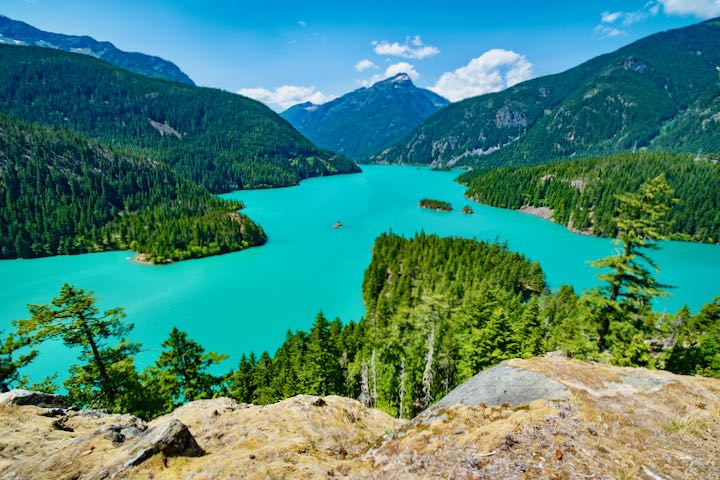
Best for: Alpine scenery, serious hiking, Diablo Lake views, and travelers who want a wilder mountain trip.
Time needed: Very long day or one to two nights.
Car needed: Yes.
Best months: July through early October. Many higher-elevation hikes are snow-covered earlier in the season.
How to get there: About 2.5 to 3 hours by car to the Diablo Lake and North Cascades Highway area, longer with stops.
North Cascades is the most rugged of the national park trips from Seattle. It is beautiful, less developed, and far less beginner-friendly than many visitors expect. There are great viewpoints, especially around Diablo Lake, but the best experiences tend to involve real hiking, long drives, and mountain-road planning.
For a first Seattle visit, I would usually choose Mount Rainier over North Cascades. Rainier is more iconic, easier to understand, and more rewarding for a simple sightseeing day. But if you have already been to Rainier, love alpine scenery, or want fewer crowds, North Cascades is a great choice.
The North Cascades Highway is seasonal through the highest stretch, and services are limited. Bring food, water, layers, and downloaded maps. Cell service is unreliable. This is not the place to wing it late in the day.
What I’d do: Treat it as a summer or early fall trip, leave very early, stop at Diablo Lake viewpoints, and choose one hike that matches your ability. Better yet, stay overnight in Winthrop, Mazama, or the Skagit Valley and make it part of a bigger loop.
Longer Trips Worth Considering
These are not really “short trips” in the same way Bainbridge, Snoqualmie Falls, Tacoma, Woodinville, or Whidbey are. But they are important Seattle add-ons, and they deserve a place on this page. I’d think of them as two- or three-night trips, not casual day trips. They work best if you have already seen Seattle or are building a bigger Pacific Northwest itinerary.
Portland
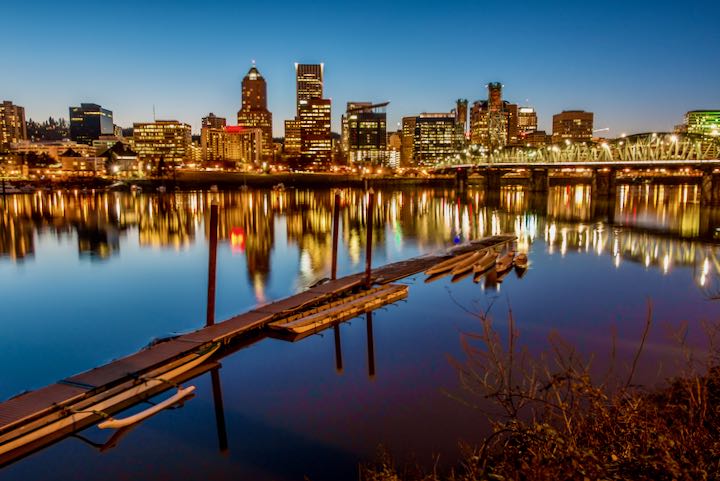
Best for: Food, coffee, bookstores, gardens, breweries, and an easy Amtrak city break.
Time needed: Two nights is ideal. One night works if you keep expectations modest.
Car needed: No if staying central. Helpful if adding the Columbia River Gorge or Willamette Valley.
Best months: May through October for gardens and walking. Year-round for food and city exploring.
How to get there: About 3 hours by car in good traffic, or about 3.5 hours by Amtrak Cascades from Seattle’s King Street Station.
Portland is close enough to feel easy but far enough that I would not treat it as a day trip. It is best as a relaxed two-night city break: Powell’s Books, coffee, food carts, Japanese Garden, International Rose Test Garden, neighborhoods, breweries, and a slower, smaller-city feel than Seattle.
The train is the best way to do Portland without a car. It drops you near the Pearl District and Old Town/Chinatown, and from there you can use light rail, streetcar, walking, and rideshare. Driving makes sense if Portland is part of a larger Oregon trip, or if you want to add the Columbia River Gorge, Hood River, or wine country.
The tradeoff: Portland is not a quick nature escape. It is a proper second city on your itinerary. If you only have one extra day in Seattle, I’d choose Bainbridge, Mount Rainier, Tacoma, or Snoqualmie Falls instead.
What I’d do: Take the train, stay central, spend one day on gardens and neighborhoods, one day on food, books, and wandering. Add a car only if you are leaving the city.
Vancouver, BC
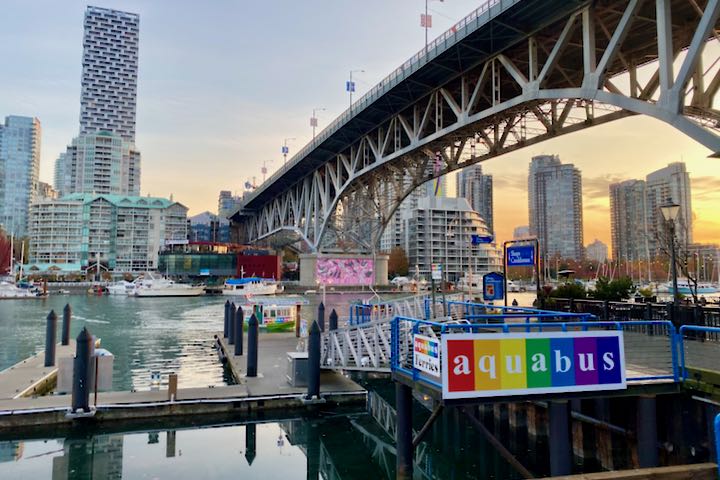
Best for: Big-city energy, waterfront walks, Asian food, Stanley Park, mountain views, and combining Seattle with Canada.
Time needed: Two nights minimum. Three is better.
Car needed: No if staying downtown. Helpful for North Shore mountains, Whistler, or a longer BC trip.
Best months: June through September for the easiest weather. December through March if adding skiing.
How to get there: About 3 hours by car in light traffic, longer with border waits. Amtrak and buses also connect Seattle and Vancouver. Flying is quick but often not worth the airport hassle unless part of a larger itinerary.
Vancouver is one of the best city add-ons from Seattle, but border logistics make it less predictable than it looks on a map. The drive can be smooth, or it can turn into a slog if I-5 traffic and the border both go badly. Bring passports, check border wait times, and do not plan a tight same-day connection after driving back.
The reason to go is obvious once you are there: Stanley Park, the Seawall, Granville Island, excellent Chinese, Japanese, Korean, and Indian food, mountain views, beaches, and easy access to the North Shore. It is a denser, more international-feeling city than Seattle, with a spectacular setting.
I would not do Vancouver as a day trip unless there is a very specific reason. You spend too much time getting there and back. Stay at least two nights, ideally downtown, Coal Harbour, Yaletown, or near the waterfront.
What I’d do: Take the train or drive early, stay downtown, walk or bike the Seawall, eat well, and add one North Shore outing if weather is clear. If you are continuing to Whistler, rent a car after your Vancouver city time.
Victoria, BC
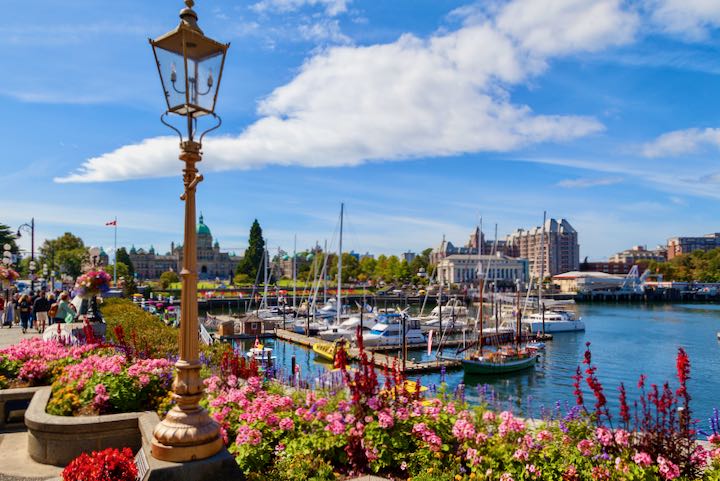
Best for: Ferry travel, gardens, a pretty walkable harbor, couples, older travelers, and a slower Canada add-on.
Time needed: One night minimum. Two nights is better.
Car needed: No if arriving by passenger ferry and staying near the Inner Harbour. Helpful for exploring Vancouver Island.
Best months: May through September. Spring is especially good for gardens.
How to get there: The easiest route for most visitors is the passenger ferry from downtown Seattle to Victoria’s Inner Harbour. You can also go by car and ferry through Anacortes or via Vancouver, but that is much more involved.
Victoria is calmer, smaller, and more old-fashioned than Vancouver. That is both the appeal and the limitation. It is beautiful around the Inner Harbour, easy to explore without a car, and a very good choice if you want a scenic ferry trip rather than another big city.
The classic visit is Inner Harbour, Parliament Buildings, Royal BC Museum area, Beacon Hill Park, waterfront walks, afternoon tea if that appeals, and Butchart Gardens outside town. Butchart is the big reason to have a little extra time or book transportation. It is worth seeing, but it is not right in downtown Victoria.
Victoria can work as a one-night trip, but two nights feels much better. Arrive by ferry, stay near the Inner Harbour, spend one day in town, and one half-day or full day adding Butchart Gardens or a Vancouver Island outing.
What I’d do: Go in spring or summer, arrive by boat, stay near the Inner Harbour, and do not bring a car unless Victoria is part of a larger Vancouver Island road trip.
Whistler
Best for: Skiing, mountain biking, hiking, resort hotels, families, couples, and a bigger mountain-town trip.
Time needed: Two nights minimum. Three is better, especially in winter.
Car needed: Usually yes from Seattle. You can do it by bus or shuttle via Vancouver, but it is slower and less flexible.
Best months: December through March for skiing. July through September for hiking, biking, lakes, and alpine scenery.
How to get there: Roughly 4.5 to 5.5 hours by car from Seattle in normal conditions, plus border time. It is usually best combined with Vancouver rather than done as a standalone Seattle side trip.
Whistler is a fantastic mountain resort, but it is not a short hop from Seattle. It is a bigger commitment: drive north, cross the border, pass Vancouver, then continue up the Sea to Sky Highway. The scenery is great, but the logistics are real.
I would add Whistler only if you have enough time to justify it. For a winter ski trip, three nights is much better than two. For summer, two nights can work if you mainly want the village, gondolas, lakes, and one good hike or bike day. If you are choosing between Whistler and Mount Rainier for a first Seattle visit, Rainier is simpler and more directly connected to Seattle. Whistler is better as part of a broader Vancouver/BC itinerary.
The village itself is easy once you arrive. You can park the car and walk to restaurants, lifts, shops, and many hotels. That is a big advantage after the long drive.
What I’d do: Combine Vancouver and Whistler if time allows: two nights in Vancouver, then two or three nights in Whistler. I would not squeeze Whistler into a short Seattle trip unless skiing or mountain biking is a major priority.
Best Short Trips by Traveler Type
For First-Time Seattle Visitors
Do Bainbridge Island if you want easy, scenic, and car-free. Do Mount Rainier if you have a full day, a rental car, and clear weather. Do Snoqualmie Falls if you want a simple half-day trip with almost no planning.
For Families
Bainbridge, Tacoma, Snoqualmie Falls, and Whidbey Island are the most family-friendly. Mount Rainier is great with kids if everyone is up for a long day. Woodinville is obviously more adult-focused unless you are staying somewhere resort-like and keeping the wine tasting modest.
For Couples
Salish Lodge, PostHotel Leavenworth, Inn at Langley, and the San Juan Islands are the best romantic short trips. Bainbridge also works well for an easy date-style day from downtown Seattle.
For Visitors Without a Car
Choose Bainbridge Island first, Tacoma second, and Woodinville by rideshare if wine tasting is the goal. Leavenworth can work by train or bus for an overnight, but I would not do it as a car-free day trip.
For Rainy Days
Choose Tacoma museums, Woodinville tasting rooms, Snoqualmie Falls, or a cozy ferry lunch on Bainbridge Island. I would save Mount Rainier, North Cascades, and most Olympic Peninsula scenery for better weather unless you specifically want a moody, wet Northwest trip.
For Summer
Mount Rainier, Whidbey, San Juan Islands, Olympic Peninsula, and North Cascades are at their best in July, August, and September. Book lodging early and expect ferry lines on weekends.
For Winter
Leavenworth is the classic winter trip. Snoqualmie Falls is easy and dramatic after rain. Woodinville and Tacoma are practical when you want a trip that does not depend on mountain visibility.
My Practical Ranking
If I were planning short trips for a first-time Seattle visitor, I would rank them like this:
- Bainbridge Island for the easiest and most satisfying no-car trip.
- Mount Rainier for the biggest wow factor in good summer weather.
- Snoqualmie Falls for the best half-day escape.
- Whidbey Island for the best one- or two-night island trip.
- Tacoma for museums, waterfront, and bad-weather flexibility.
- Woodinville for wine tasting without a long drive.
- Olympic Peninsula for a bigger nature weekend.
- San Juan Islands for a beautiful but more logistically involved island weekend.
- Leavenworth for a fun mountain-town overnight, especially in winter or fall.
- Vashon Island for a quieter, more local island day with a car.
- North Cascades for serious scenery when you have the right season and enough time.
- Portland for an easy train-based city break.
- Vancouver, BC for a bigger international city add-on.
- Victoria, BC for a slower, scenic ferry-and-harbor getaway.
- Whistler for skiing, mountain biking, or a bigger BC mountain-resort trip.
There is no single “best” short trip from Seattle. The best one depends on the day. With no car, I’d go to Bainbridge. With a clear July morning and a full day, I’d go to Mount Rainier. With gray weather, I’d choose Tacoma, Woodinville, or Snoqualmie Falls. With a free weekend, I’d look hard at Whidbey, the Olympic Peninsula, or the San Juans.
That is the real advantage of Seattle: you do not have to go far to feel like you have gone somewhere completely different.