All Destinations › Seattle
Updated: July 1, 2026 • by Seattle Dave

Essential Seattle Guides
- Pike Place Market: My guide to the best food, restaurants, & things to do.
- Where to Stay in Seattle: Best neighborhoods and hotel areas for first-time visitors, families, couples, cruise passengers, and car-free trips.
- Best Hotels in Seattle: My favorite Seattle hotels, with practical location advice and honest tradeoffs.
- Pike Place Market Hotels: The best area for most first-time visitors.
- Seattle Waterfront Hotels: Best for views, ferries, Pier 66 cruises, and Elliott Bay atmosphere.
- Belltown Hotels: Best for restaurants, nightlife, Pike Place access, and walking between Downtown and Seattle Center.
- Seattle Cruise Hotels: Where to stay before an Alaska cruise from Pier 66 or Pier 91.
- Seattle Airport to Downtown: Light rail, taxi, rideshare, luggage, hotel locations, and when to stay at Sea-Tac.
- Seattle Without a Car: How to plan a Seattle trip using walking, light rail, ferries, monorail, taxis, and rideshare.
- Is Seattle Safe?: Practical visitor safety advice by neighborhood and hotel area.
- Seattle Family Hotels: Best areas and hotels for kids, pools, suites, Seattle Center, and rainy-day logistics.
- Seattle Itinerary: How to spend one, two, or three days in Seattle without wasting time.
- Short Trips from Seattle: Bainbridge Island, Mount Rainier, Woodinville, Whidbey Island, Snoqualmie Falls, and the Olympic Peninsula.
Seattle is a fantastic city for a short trip, but it is also a city where the wrong hotel location can make everything harder than it needs to be. The water, hills, ferries, neighborhoods, markets, stadiums, restaurants, and museums are all close together on a map, but not always simple on the ground.
I’ve lived in Seattle since 2007, raised two kids here, and live in Ballard. I walk the city constantly with my Golden Retriever, Guster, go to Mariners, Seahawks, Kraken, and concert nights whenever I can, and pay close attention to the hotel blocks visitors actually use. This site is my practical guide to Seattle: where to stay, which hotels are worth the money, which neighborhoods work best, and the local logistics travelers need to get right.
My default advice for a first visit is simple: stay near Pike Place Market, the Waterfront, Downtown, or Belltown. These areas put you close to the market, ferries, restaurants, museums, light rail, sports venues, and most of what visitors want to see. For families, Seattle Center and South Lake Union can also work very well. For nightlife and a more local feel, Capitol Hill, Ballard, and Fremont are better once you know the city a little.
This is not meant to be a list of every Seattle attraction. It is a decision guide: where to stay, what to skip, when to use transit, when to take a taxi, when to rent a car, and how to avoid the common mistakes that make Seattle harder than it needs to be.
Start Here: My Quick Seattle Advice
- Best overall area for first-time visitors: Pike Place Market and the better blocks of nearby Downtown. Start with my full guide to Where to Stay in Seattle.
- Best luxury hotel: Four Seasons. Expensive, but the location, views, pool, service, and walkability are hard to beat.
- Best classic Seattle hotel: Inn at the Market. The most Seattle-feeling hotel location in the city.
- Best hotel guide: My complete list is here: Best Hotels in Seattle.
- Best family areas: Seattle Center, South Lake Union, and Pike Place/Downtown, depending on budget and trip style. See my Seattle Family Hotels.
- Best pre-cruise areas: Pike Place, the Waterfront, and Belltown for Pier 66. For Pier 91, stay central and plan on a taxi, rideshare, or shuttle. See Seattle Cruise Hotels.
- Best no-car strategy: Stay central, walk where practical, use light rail selectively, take the monorail to Seattle Center, ride a ferry, and use taxis or rideshare for awkward hops. See Seattle Without a Car.
- Best airport advice: Light rail works well for solo and budget travelers staying near a station. Taxis and rideshare are easier with luggage, kids, late arrivals, or Waterfront/Belltown/Seattle Center hotels. See Seattle Airport to Downtown.
- Best months: July, August, and September are the safest months for dry weather. June can be lovely but is less predictable.
- Biggest mistake: Booking a cheap “Downtown” hotel without checking the exact block, hill, transit access, and nighttime feel.
Best Areas To Stay in Seattle
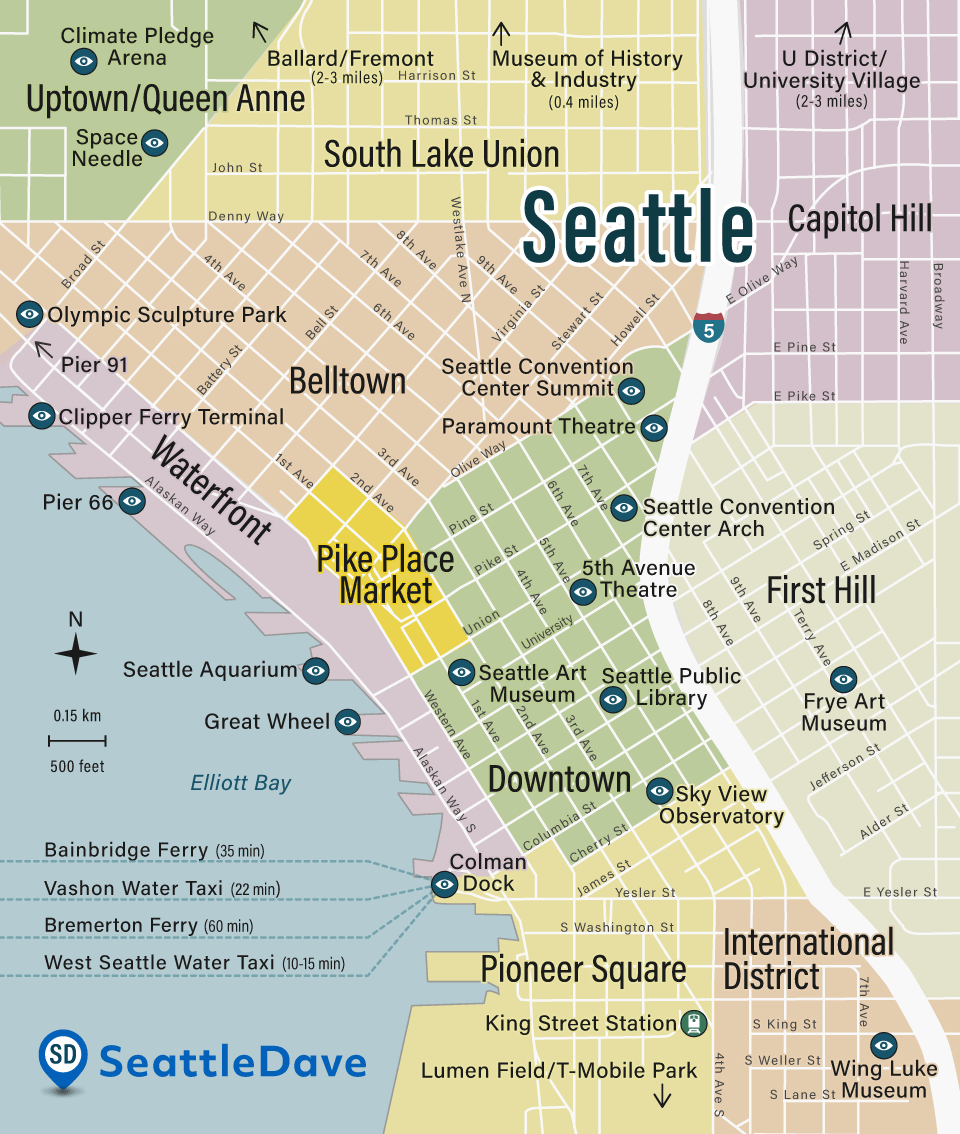
Pike Place Market
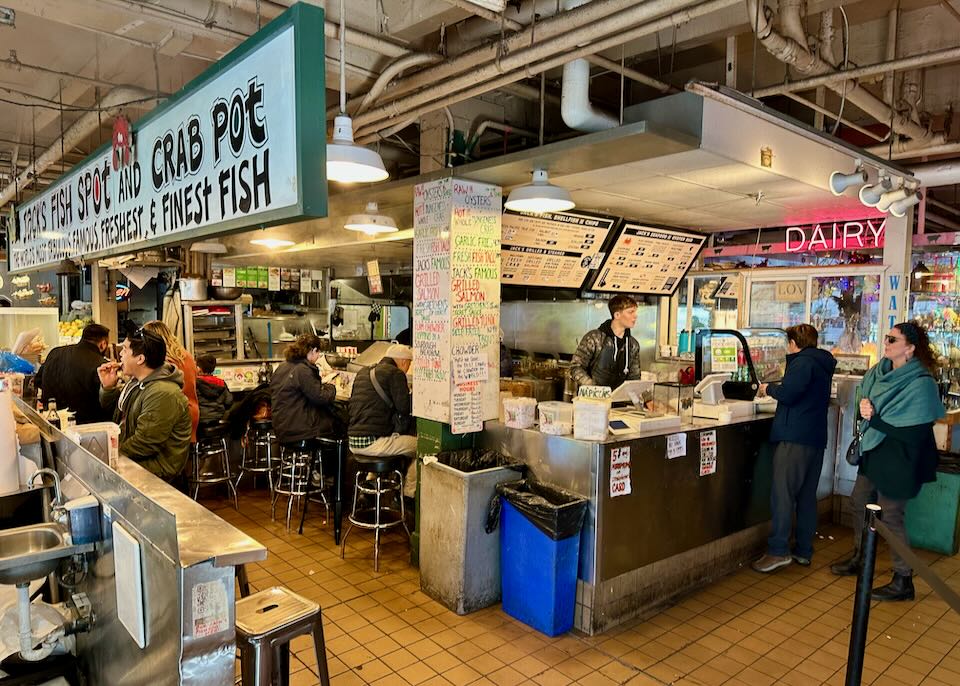
Pike Place Market is not a five-minute photo stop. Go early, wander slowly, and eat as you go.
Pike Place Market is my favorite area for most first-time visitors. It gives you the market, waterfront, ferry views, restaurants, coffee, shops, and classic Seattle atmosphere right outside your hotel. It is also one of the easiest bases if you are visiting without a car.
The tradeoff is price and crowds. Hotels near the market are expensive in summer, and the area is busy during the day. But for a short Seattle visit, convenience matters, and this is the area I recommend most often.
Best for: first-timers, food-focused trips, car-free visitors, couples, and anyone who wants Seattle to feel like Seattle immediately.
Tradeoff: higher hotel rates, daytime crowds, and some steep walks between the market, waterfront, and downtown blocks.
Waterfront
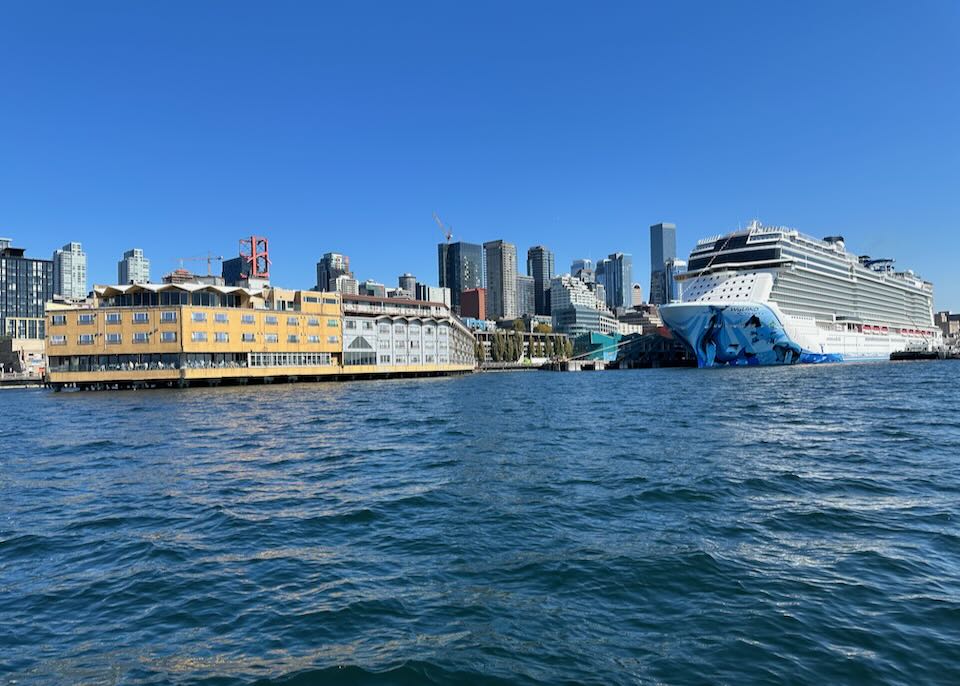
The waterfront is beautiful and useful, but the climb back up to Downtown is real.
The Seattle waterfront is great for Elliott Bay views, ferries, the aquarium, Pier 66 cruise stays, and travelers who want a scenic base. It is also improving as the waterfront redevelopment continues to reshape the area.
The main warning: the waterfront sits below Pike Place Market and the Downtown hotel core, so the short walk inland is steeper than many visitors expect. If mobility is an issue, choose your hotel carefully and plan to use taxis or rideshares for some short hops.
Best for: water views, ferries, Pier 66 cruises, families visiting the aquarium, and travelers who want a scenic Seattle stay.
Tradeoff: hills heading inland, fewer true neighborhood restaurants than Pike Place/Belltown, and some hotels that feel close on a map but are awkward with luggage.
See: Seattle Waterfront Hotels
Downtown
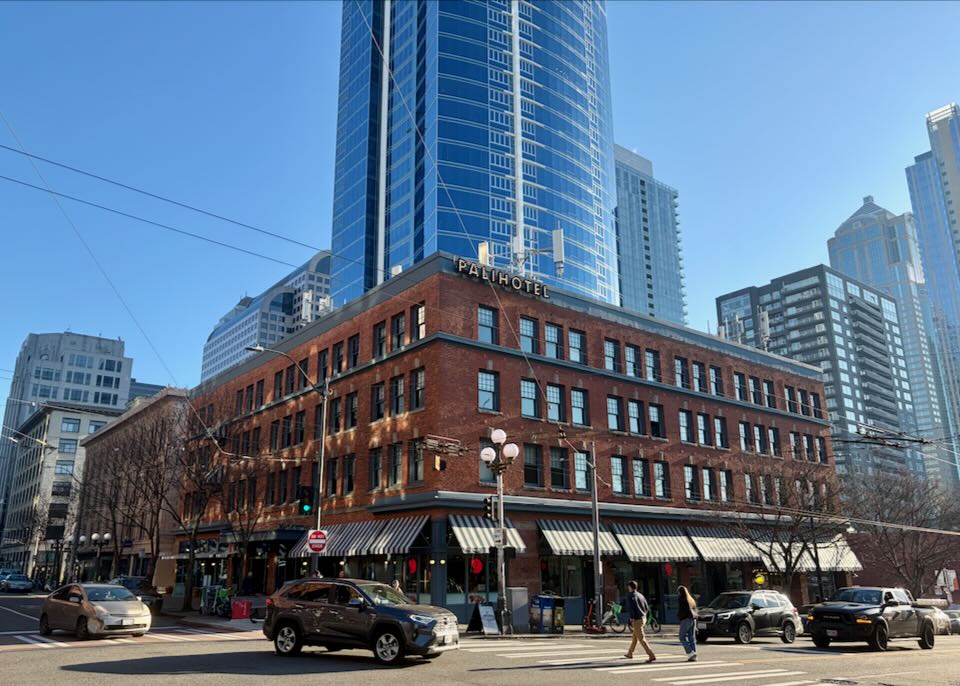
The Palihotel sits right on the border between Downtown and Pike Place Market. It’s not luxury, but the location is excellent for sightseeing, food, and walking.
Downtown is the most practical central base, especially around Pike Place, Westlake, the Seattle Art Museum, the convention center, and light rail. It works well for first-timers, business travelers, shoppers, and anyone who wants easy transit access.
But “Downtown Seattle” is too broad to judge as one area. Some blocks feel lively and convenient; others feel less pleasant, especially at night. Exact hotel location matters more here than in almost any other Seattle neighborhood.
Best for: transit, shopping, conventions, business travel, and a central base with easy access in multiple directions.
Tradeoff: uneven block-by-block feel, expensive parking, and less neighborhood charm than Pike Place, Capitol Hill, Ballard, or Fremont.
Belltown
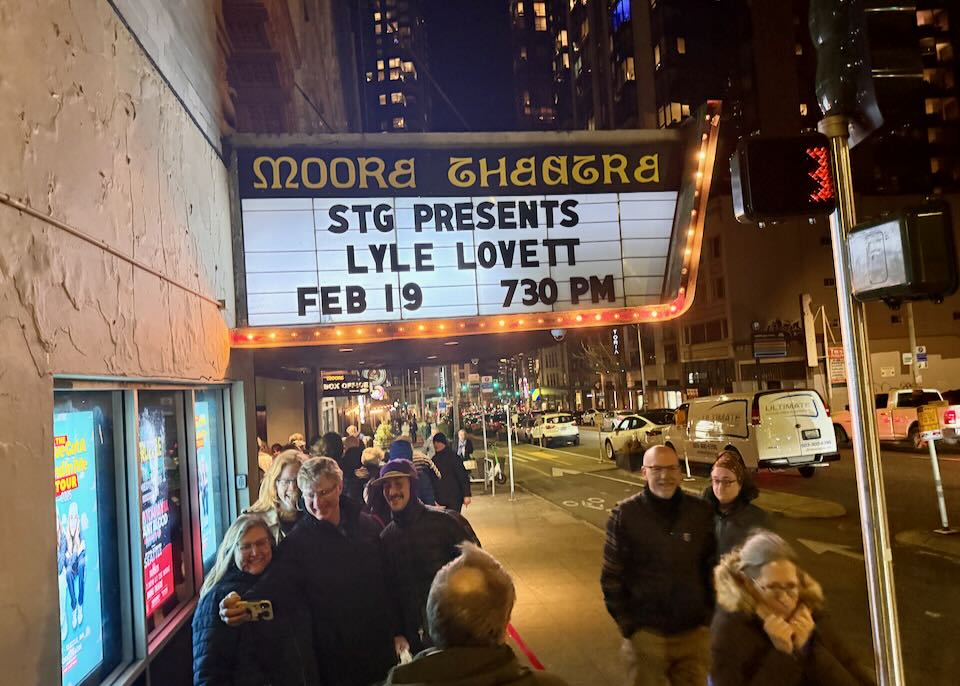
The Moore Theatre on the Downtown/Belltown edge. Belltown is one of Seattle’s better hotel areas if you want restaurants, bars, music venues, Pike Place Market, and Seattle Center all within reach.
Belltown is one of Seattle’s best hotel neighborhoods when you choose the right block. It sits between Pike Place Market and Seattle Center, has good restaurants and bars, and works well for travelers who want nightlife without staying on Capitol Hill.
Belltown changes block by block. I like south Belltown best for most visitors, especially the area closer to Pike Place Market, the waterfront, and the better restaurant blocks.
Best for: restaurants, bars, Pike Place access, Seattle Center access, Pier 66 cruises, and a slightly more grown-up nightlife base.
Tradeoff: some rougher-feeling blocks, especially late at night, and not every hotel address is equally good.
See: Belltown Hotels
Seattle Center and Lower Queen Anne
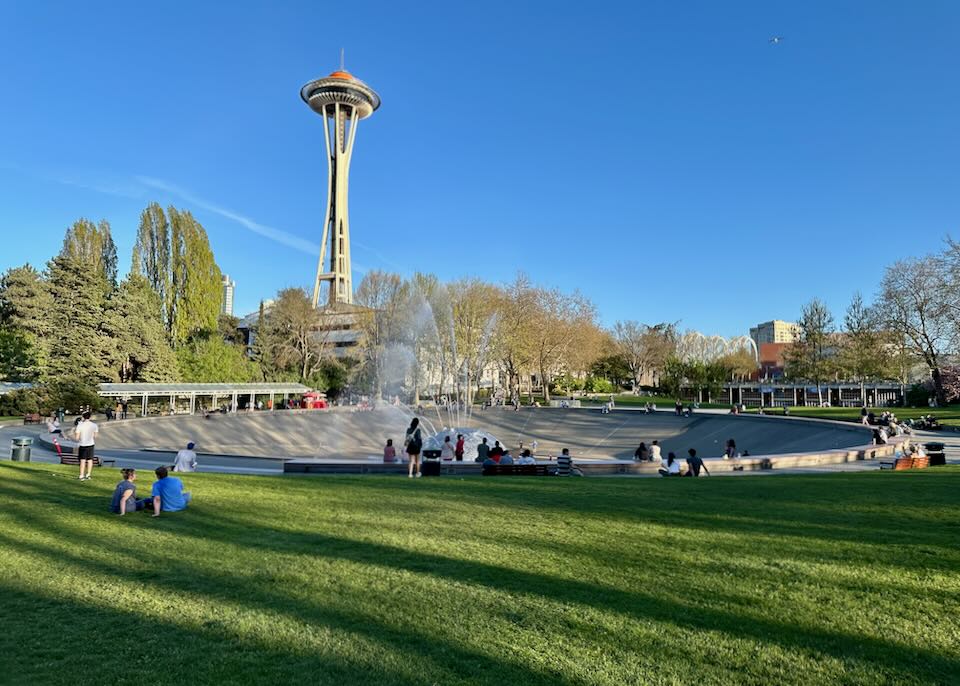
Seattle Center is one of the best areas for families, with the Space Needle, International Fountain, MoPOP, Chihuly, Pacific Science Center, playgrounds, the monorail, and games at Climate Pledge Arena all close together.
Seattle Center is a very good choice for families, Space Needle visits, Museum of Pop Culture, Pacific Science Center, Chihuly Garden and Glass, Climate Pledge Arena, and travelers who want a slightly calmer base.
It is not as central as Pike Place or Downtown for general sightseeing, but the monorail makes it easy to reach Westlake and Downtown. My favorite hotel in this area is Staypineapple The Maxwell.
Best for: families, Space Needle sightseeing, Kraken games, concerts, and visitors who prefer a calmer hotel area.
Tradeoff: less central for Pike Place, ferries, stadiums, and Capitol Hill. You will use the monorail, taxis, rideshare, or longer walks.
South Lake Union
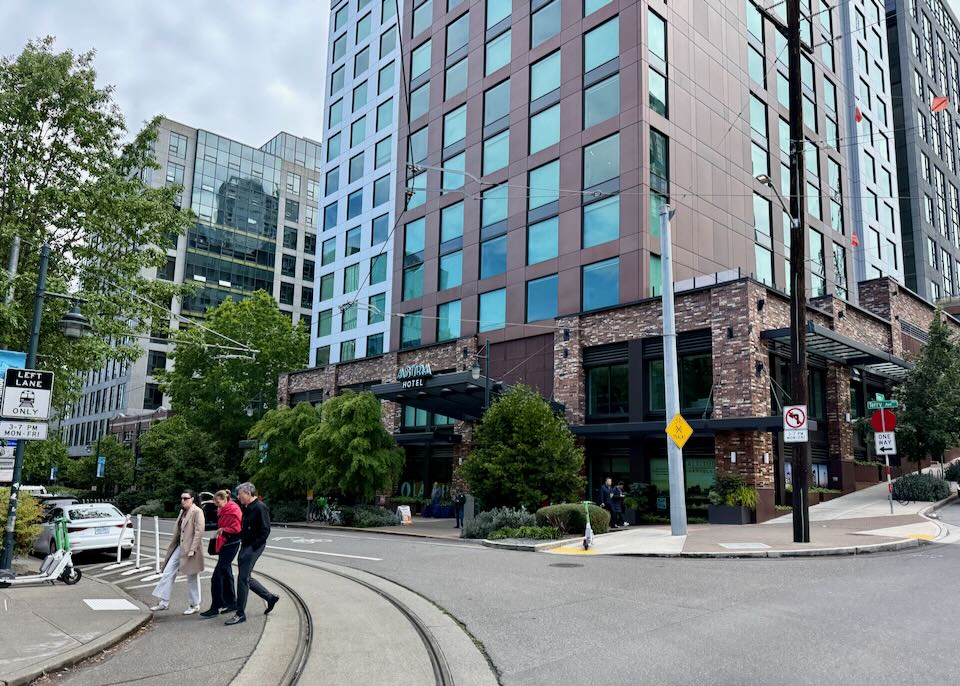
South Lake Union is modern, clean, and practical, with newer hotels like Astra, easy rideshare access, and a quieter feel than Pike Place or Belltown.
South Lake Union is modern, clean, and practical, especially for Amazon, Fred Hutch, biotech, business travel, and families who want newer hotels and a quieter feel. It is not the most atmospheric Seattle neighborhood, but it is comfortable and easy.
The tradeoff is that it can feel corporate, and you are not right in the middle of classic Seattle sightseeing. For many travelers, that is fine. For a first visit, I usually prefer Pike Place or Downtown unless South Lake Union hotel rates are much better or the trip is family/business-focused.
Best for: business travelers, newer hotels, families who want quieter streets, lake walks, and easy rideshare access.
Tradeoff: less Seattle character and less walk-out-the-door sightseeing than Pike Place, Belltown, or Downtown.
Capitol Hill
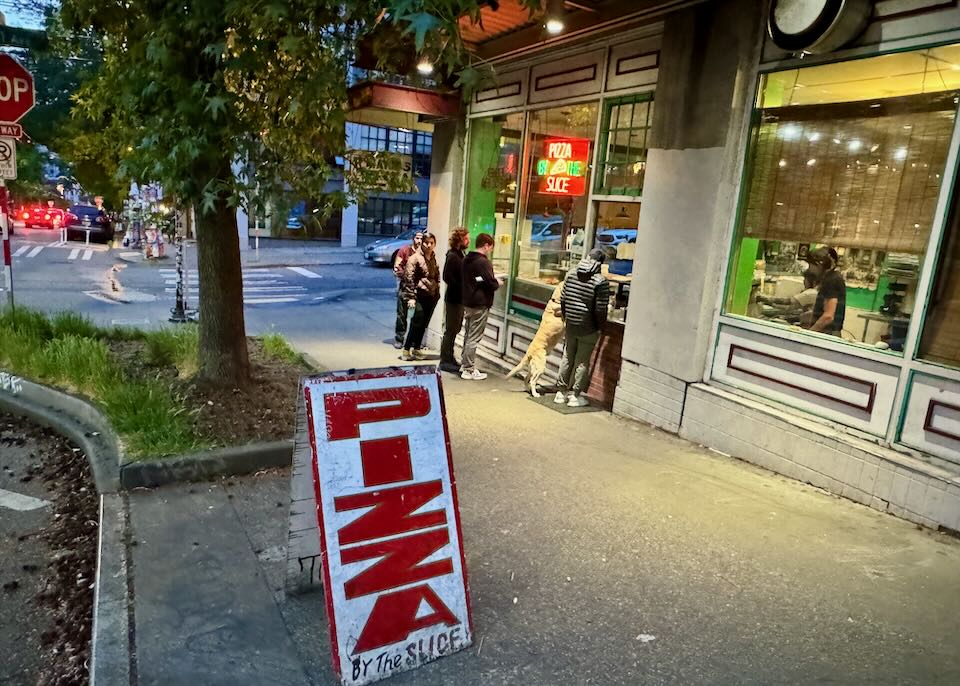
Capitol Hill is best for nightlife, restaurants, bars, coffee, indie shops, music, and a more local Seattle feel. It is one of the city’s best neighborhoods to explore in the evening.
I like Capitol Hill a lot, but I do not think it is the best base for every first-time visitor. Stay here if you want the neighborhood energy. Stay closer to Pike Place if sightseeing convenience is the main goal.
Best for: nightlife, restaurants, bars, music, younger travelers, repeat visitors, and anyone who wants a less hotel-district feel.
Tradeoff: fewer traditional full-service hotels, busier nightlife, and less convenient access to the waterfront and cruise piers.
See: Capitol Hill Hotels
Ballard and Fremont
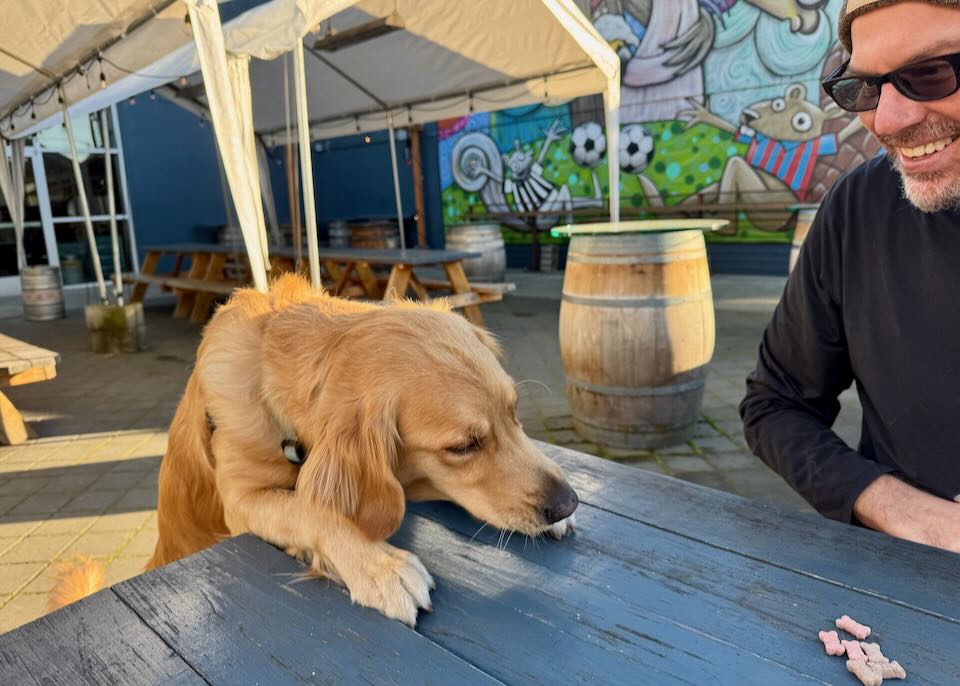
Guster and me at Reuben’s Brews in Ballard, one of the better neighborhood brewery stops for a relaxed Seattle afternoon.
Ballard and Fremont are two of my favorite Seattle neighborhoods, but they are usually better for repeat visitors than first-timers. Ballard is great for restaurants, breweries, live music, the Sunday farmers market, and the Ballard Locks. Fremont has a fun local feel, good bars, public art, and easy access to the Burke-Gilman Trail.
I live in Ballard and love going out in both neighborhoods. But for a first Seattle trip, they are less convenient without a car and not ideal if you want to walk out of your hotel and be near the main sights.
Best for: repeat visitors, breweries, restaurants, live music, local neighborhood nights, and travelers who do not need classic sightseeing outside the door.
Tradeoff: weaker hotel selection and less convenient transit to Downtown, Pike Place, and cruise piers.
See: Ballard Hotels
Pioneer Square
Pioneer Square is useful for Lumen Field, T-Mobile Park, Amtrak, ferries, and historic Seattle architecture. It can work well for sports weekends and certain train, ferry, or stadium logistics.
But I would be cautious about recommending it as a default first-time base. Some blocks feel quiet or rough at night, and most visitors will be happier staying closer to Pike Place, Downtown, or Belltown unless they have a specific reason to be here.
Best for: Mariners, Seahawks, Sounders, Amtrak, stadium weekends, ferry access, and historic architecture.
Tradeoff: weaker late-night feel on some blocks and less of an easy all-purpose base for first-time visitors.
University District
The University District is best for visiting the University of Washington, medical appointments, student move-in weekends, or Husky games. Light rail makes it much easier than it used to be.
For most tourists, it is not a top Seattle base. Stay here if you have a UW reason. Otherwise, stay closer to Downtown, Pike Place, Seattle Center, or Capitol Hill.
Best for: University of Washington, Husky Stadium, medical visits, student move-in, and light rail access north of Downtown.
Tradeoff: not ideal for classic sightseeing, waterfront access, or cruise logistics.
See: University District Hotels
Best Area in Seattle by Traveler Type
- First-time visitors: Pike Place Market, Downtown near Pike Place, or south Belltown.
- Luxury travelers: Pike Place/Waterfront around Four Seasons, Inn at the Market, and the Seattle Art Museum.
- Families: Seattle Center, South Lake Union, Pike Place/Downtown, or the Waterfront.
- Alaska cruise passengers: Waterfront, Belltown, or Pike Place for Pier 66. Central Seattle with a transfer for Pier 91.
- Food and nightlife: Capitol Hill, Belltown, Ballard, Fremont, and Wallingford.
- Business travelers: Downtown, South Lake Union, and the convention center blocks.
- Sports weekends: Pioneer Square or Downtown for Mariners, Seahawks, and Sounders. Seattle Center/Lower Queen Anne for Kraken and Climate Pledge Arena concerts.
- No-car visitors: Pike Place, Downtown, Belltown, Seattle Center, Capitol Hill, and South Lake Union.
- Airport overnights: Sea-Tac only for early flights, late arrivals, or one-night stopovers.
- Repeat visitors: Capitol Hill, Ballard, Fremont, Wallingford, and Columbia City if the trip is more food, neighborhoods, and local wandering than sightseeing.
My Favorite Seattle Hotels
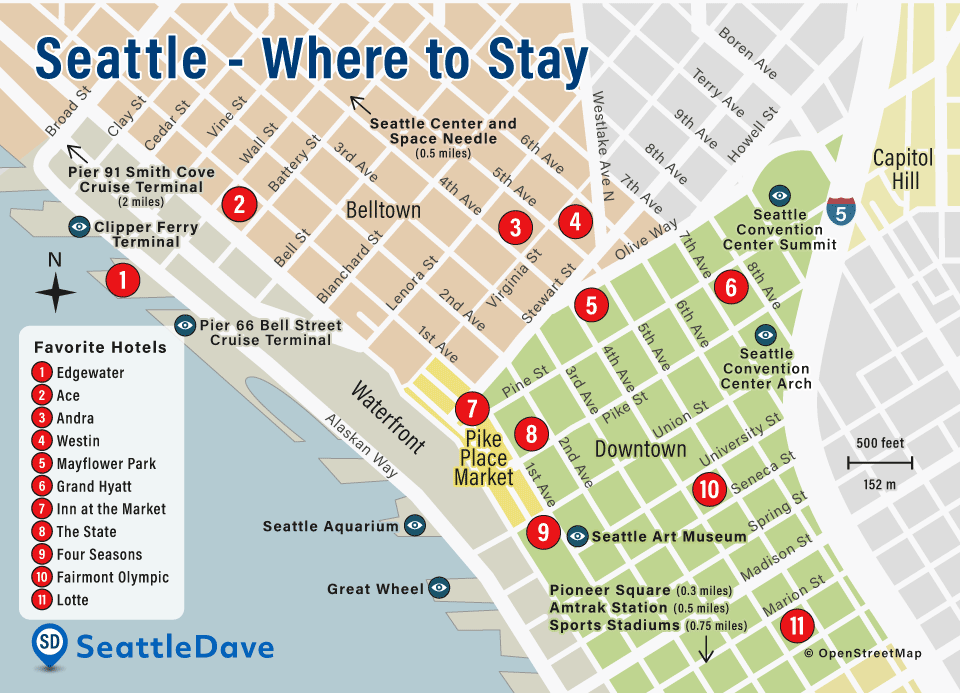
My two absolute favorite Seattle hotels are Four Seasons and Inn at the Market. They are very different, but both get the location right.
Four Seasons is the best high-end hotel in Seattle for most luxury travelers. It sits between Pike Place Market, the Seattle Art Museum, and the waterfront, with bay-view rooms, a true luxury feel, and one of the best hotel pools in the city. It is expensive, but if you want the easiest luxury stay in Seattle, this is the one I’d book first.
Inn at the Market is my favorite hotel for classic Seattle atmosphere. You are directly at Pike Place Market, steps from restaurants, coffee, shops, the waterfront, and the ferry views that make Seattle feel like Seattle. It is not a big resort-style hotel, and that is part of the appeal.
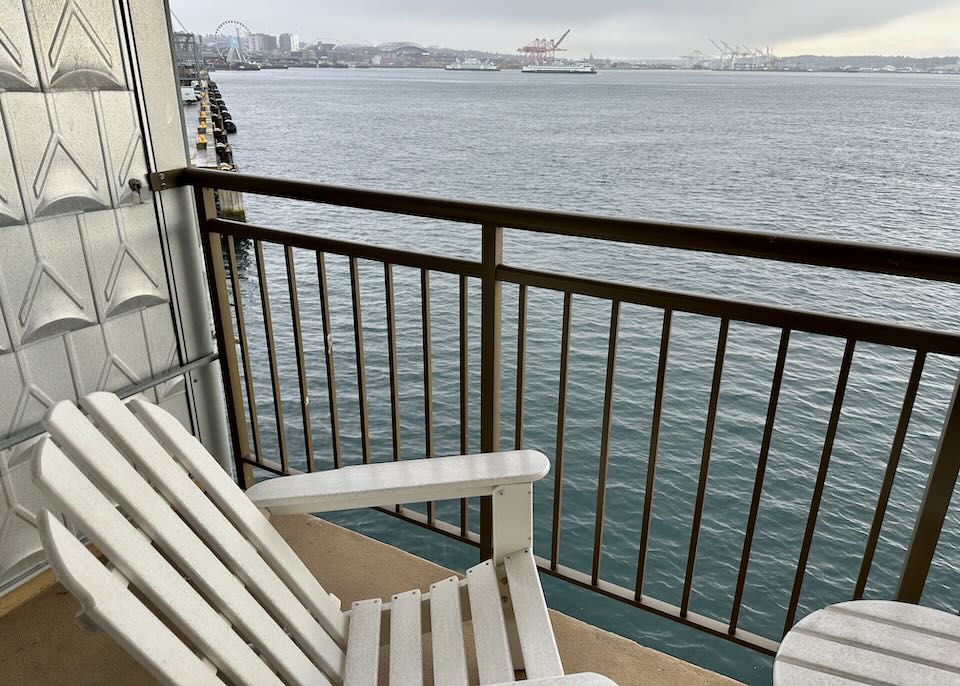
The Edgewater has some of the most memorable hotel views in Seattle, though Pike Place and Belltown are usually easier for walking everywhere.
My Seattle Hotel Shortlist
- Four Seasons: Best luxury hotel and my top splurge pick.
- Inn at the Market: Best Pike Place Market hotel and best first-visit location.
- Fairmont Olympic: Classic grand hotel, more old-school and formal than most Seattle hotels.
- Lotte Hotel Seattle: Stylish, polished, and a little quieter than Pike Place or Belltown.
- Alexis Royal Sonesta: Good rooms, historic feel, and useful location near the waterfront and Pioneer Square.
- The Edgewater: The most memorable waterfront hotel, right over Elliott Bay. Great for views, not always the most practical for walking everywhere.
- Hotel Andra: One of the best Downtown/Belltown hotel locations for restaurants and walking.
- The State Hotel: Fun, central, and close to Pike Place Market. Good if you want energy right outside the door.
- Mayflower Park: Good value and a very useful Downtown location near Westlake light rail and the monorail.
- Grand Hyatt: Reliable Downtown choice with large rooms and excellent central access.
- Westin Seattle: Big, practical, and central. Good for business travelers, conventions, and families who want predictable rooms.
- Ace Hotel: Cool, simple, and well located in Belltown. Best for travelers who care more about neighborhood and design than full-service amenities.
- Staypineapple The Maxwell: My favorite hotel near Seattle Center, especially for families, arena events, and Space Needle sightseeing.
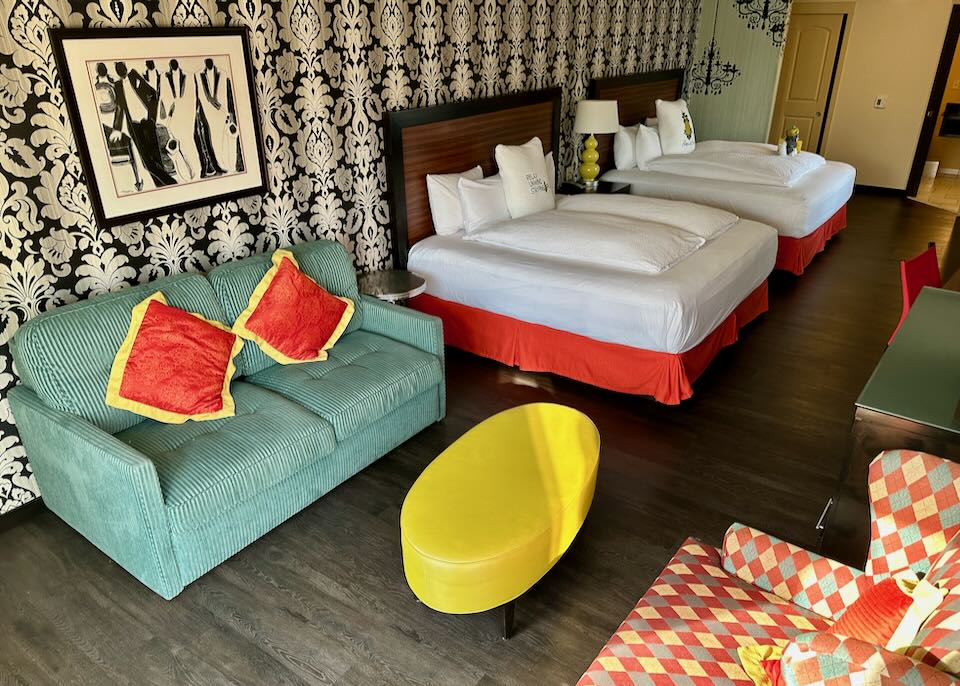
Our room at the Maxwell, my favorite hotel near Seattle Center, the Space Needle, and Climate Pledge Arena.
For more detail, start with Best Hotels in Seattle, Seattle Five-Star Hotels, and the neighborhood hotel guides at the bottom of this page.
Seattle Hotel Location Advice
- Do not choose a Seattle hotel by map distance alone. Hills, one-way streets, construction, transit gaps, and block-by-block safety can matter more than straight-line distance.
- For first-timers, I’d usually stay near Pike Place Market. It is the easiest base for food, views, ferries, sightseeing, and Seattle atmosphere.
- For families, Seattle Center can be excellent. Space Needle, MoPOP, Chihuly, Pacific Science Center, playgrounds, and arena events are close by.
- For cruise passengers, know your pier before booking. Pier 66 is close to many Waterfront, Belltown, and Pike Place hotels. Pier 91 is not walkable from the main hotel areas and usually requires a taxi, rideshare, or shuttle.
- For early flights, stay at Sea-Tac. For sightseeing, do not. Sea-Tac hotels are practical, not atmospheric.
- For parking, check the hotel rate before booking. Downtown parking is expensive, and many visitors are better off skipping the rental car unless they are doing day trips.
- For mobility issues, watch the hills. Waterfront-to-Downtown, Pike Place-to-hotel, and some Queen Anne walks can be steeper than visitors expect.
Seattle Without a Car
For a normal city-focused Seattle trip, I would not rent a car. Parking is expensive, traffic can be annoying, and the easiest visitor areas work better by walking, light rail, monorail, ferry, taxi, and rideshare.
The best no-car bases are Pike Place Market, Downtown, Belltown, Seattle Center, South Lake Union, and Capitol Hill. They are not all equally served by light rail, but they are central enough that you can mix walking with short rides.
- Use light rail for: Sea-Tac Airport, Downtown, Pioneer Square, Capitol Hill, University District, and Northgate.
- Use the monorail for: Westlake/Downtown to Seattle Center, Space Needle, MoPOP, Chihuly, and Climate Pledge Arena.
- Use ferries for: Bainbridge Island, Bremerton, and classic Seattle water views. Several good options leave from Pier 52/Colman Dock, walking distance from most downtown hotels, including Bainbridge Island and Bremerton. The West Seattle Water Taxi leaves from nearby Pier 50.
- Use taxis or rideshare for: Pier 91, late-night restaurant trips, Ballard, Fremont, Wallingford, hotel-to-stadium hops, and awkward luggage moves.
- Rent a car for: Mount Rainier, Olympic Peninsula, Whidbey Island, Snoqualmie Falls plus wineries, or a longer regional trip.
More detail: Seattle Without a Car
Airport and Cruise Logistics
Sea-Tac Airport to Downtown Seattle
Sea-Tac is south of Seattle, and the best airport transfer depends on where you are staying, how much luggage you have, and how comfortable you are with city transit.
- Light rail: Best for solo travelers, budget travelers, and hotels near Westlake, University Street/Symphony, Pioneer Square, Capitol Hill, or the University District.
- Taxi or rideshare: Best for families, heavy luggage, late arrivals, early departures, Waterfront hotels, Belltown hotels, Seattle Center, South Lake Union, and anyone who wants the simplest transfer.
- Airport hotels: Useful for early flights, late arrivals, and one-night stopovers. Not a good base for sightseeing.
My strong advice: if you are arriving the day before a cruise or have one real night in Seattle, stay in the city, not at Sea-Tac, unless your flight lands very late.
See: Seattle Airport to Downtown and Seattle Airport Hotels
Seattle Cruise Tips
Seattle is a major Alaska cruise port, and hotel choice depends heavily on which pier your ship uses.
- Pier 66: Best for Waterfront, Belltown, and Pike Place Market hotels. Some hotels are close enough for light travelers to walk, but luggage, stairs, crowds, and hills can still make a taxi easier.
- Pier 91: Not in the main downtown hotel zone. Do not book a hotel near Pier 91 expecting a nice walkable tourist neighborhood. Plan on taxi, rideshare, cruise shuttle, or private transfer.
- One night before a cruise: Stay near Pike Place Market, the Waterfront, or Belltown if you want one good Seattle evening before boarding.
- Airport-to-cruise logistics: If arriving the day before, stay in Seattle, not at the airport, unless your flight lands very late.
- Morning of the cruise: Leave more time than you think you need. Cruise traffic, luggage, hotel elevators, and pier congestion can slow everything down.
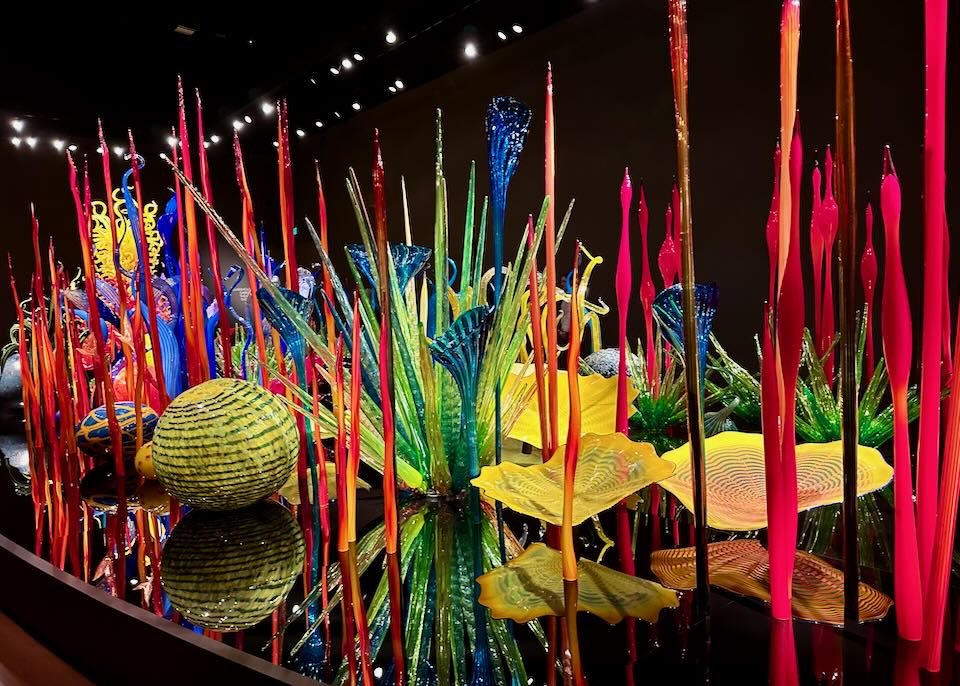
Chihuly Garden and Glass is easy to combine with the Space Needle, MoPOP, and the monorail.
What I’d Do on a First Seattle Trip
For a first visit, I’d focus less on checking off a long list and more on doing the things that make Seattle feel different from other cities: the market, the water, the neighborhoods, the food, the ferries, and one good view.
One Day in Seattle
- Morning: Pike Place Market before the biggest crowds arrive. Get coffee, wander the lower levels, eat as you go, and do not rush it.
- Midday: Walk the waterfront, visit the aquarium if traveling with kids, or take a short ferry ride for views.
- Afternoon: Seattle Center for the Space Needle, Chihuly, MoPOP, or the monorail ride from Westlake.
- Evening: Dinner in Belltown, Capitol Hill, Ballard, Fremont, or Wallingford instead of defaulting to a random hotel-district restaurant.
Two Days in Seattle
- Day 1: Pike Place Market, waterfront, ferry views, and Belltown or Capitol Hill dinner.
- Day 2: Seattle Center, a museum, Ballard or Fremont, and a sports event or concert if timing works.
Three Days in Seattle
- Day 1: Pike Place Market, waterfront, Downtown, and ferry views.
- Day 2: Seattle Center, Capitol Hill, and a neighborhood dinner.
- Day 3: Bainbridge Island, Ballard Locks, Fremont, a Mariners game, or a slower food-and-neighborhood day.
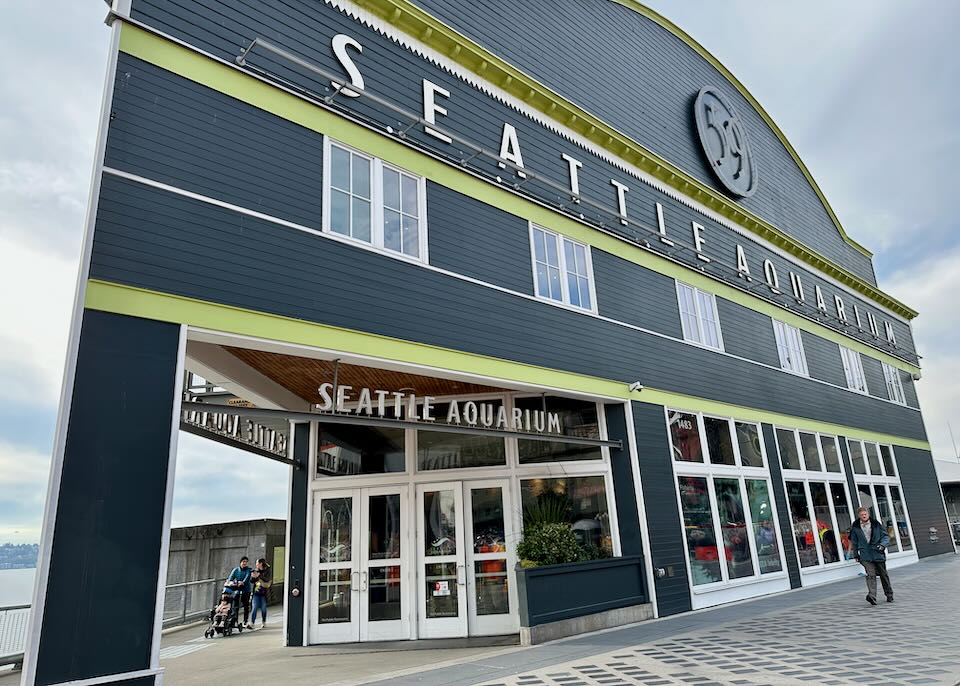
The expanded Seattle Aquarium is one of the easiest waterfront stops with kids.
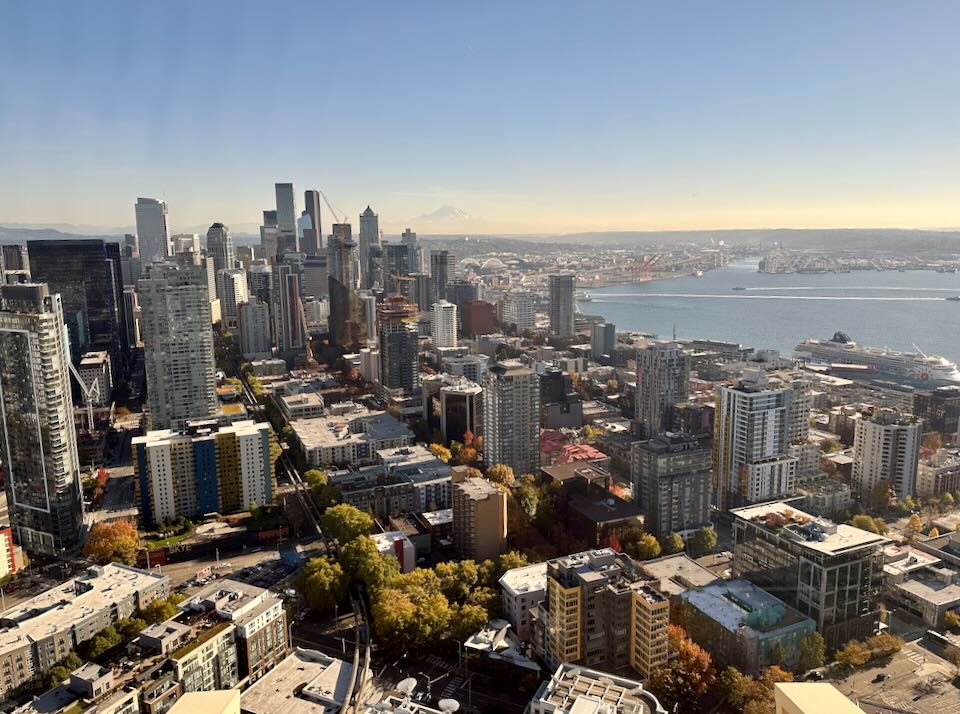
The Space Needle is touristy, yes, but on a clear day the city, water, and mountain views are hard to beat.
Seattle Restaurants and Neighborhood Nights
Seattle is a very good food city, but the best eating is not only Downtown. For a short first visit, Pike Place, Belltown, Capitol Hill, and the waterfront are the easiest. For a more local restaurant trip, I like Ballard, Fremont, Wallingford, Capitol Hill, and Columbia City.
I especially like Ballard and Fremont for nightlife. They are more local and less convention-hotel focused than Downtown. Wallingford has one of the city’s best low-key restaurant scenes, especially if you want a neighborhood dinner rather than a tourist-district meal.
For visitors staying Downtown, I’d plan at least one evening outside the hotel core. Capitol Hill is easiest by light rail, Ballard and Fremont are easiest by taxi or rideshare, and Wallingford is best if you already have a specific restaurant in mind.
- Pike Place Market: Best for a first-day food wander, views, casual seafood, and classic Seattle atmosphere.
- Belltown: Best for easy Downtown-adjacent dinners, bars, and a more grown-up nightlife feel.
- Capitol Hill: Best for nightlife, restaurants, coffee, bars, and a more local urban evening.
- Ballard: Best for breweries, restaurants, live music, the Sunday farmers market, and a relaxed neighborhood night.
- Fremont: Best for casual bars, public art, breweries, and a less polished Seattle feel.
- Wallingford: Best for neighborhood restaurants when you care more about the meal than the tourist setting.
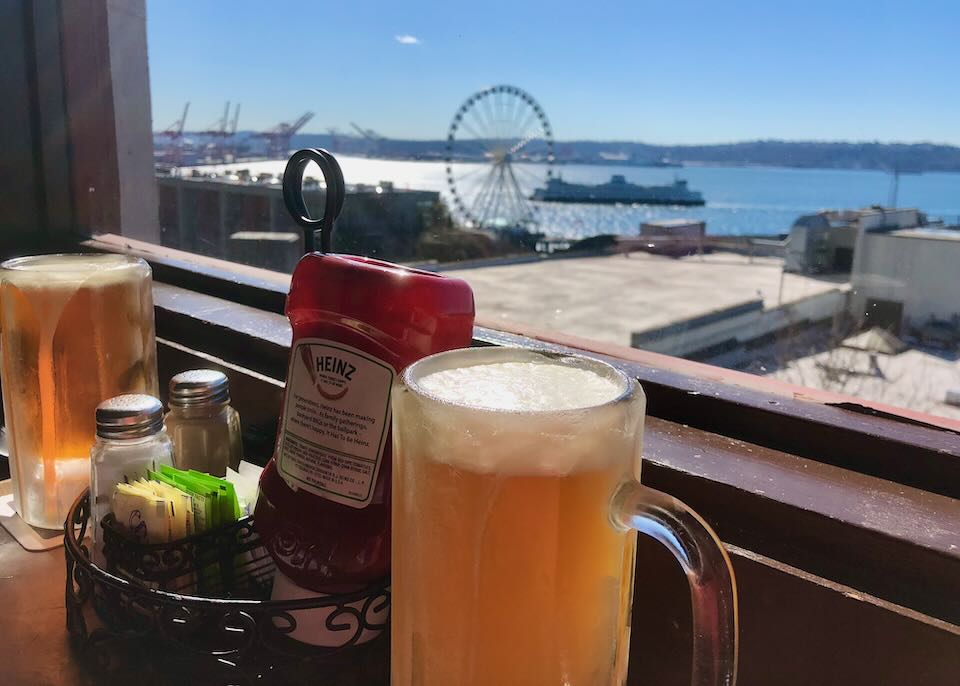
Lowell’s is not hidden or trendy, but the Pike Place Market views are excellent.
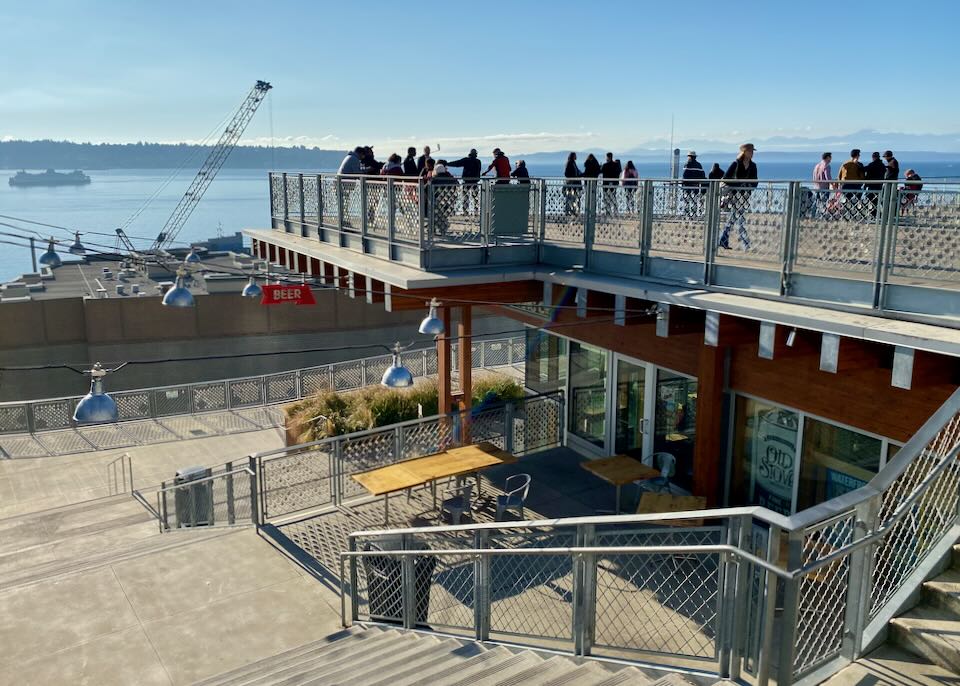
Old Stove Brewing is an easy Pike Place stop when you want beer, water views, and no complicated planning.
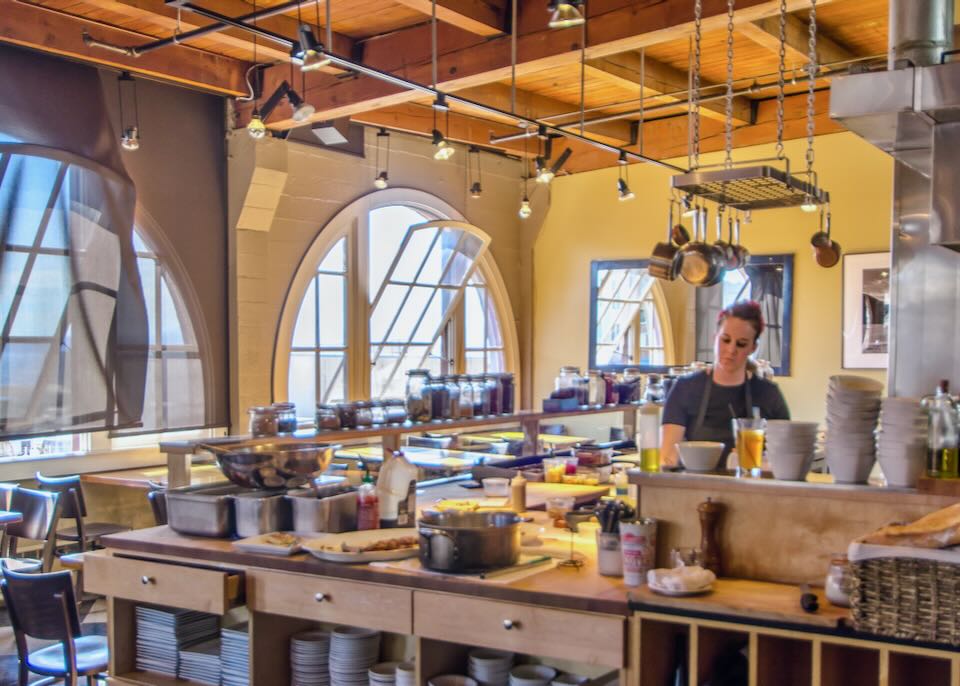
Matt’s in the Market is one of my favorite Pike Place meals, especially for visitors who want a real sit-down lunch or dinner in the market.
Seattle Weather and Best Time To Visit
Seattle weather is better than its reputation in summer and worse than visitors expect in the darkest months. The key is knowing the difference between “rainy” and “gray.” Seattle gets plenty of gray, mist, and damp days, but not always heavy rain.
- Best weather: July, August, and September.
- Good shoulder months: May, June, and October, with more variability.
- Grayest stretch: November, December, January, and February.
- Spring transition: March and April can be useful for lower hotel prices, cherry blossoms, tulips, and fewer cruise crowds, but weather is mixed.
- Best value: Winter weekends can have much lower hotel rates, except around major events.
- Most expensive hotel season: Summer, cruise season, conventions, big sports weekends, and major concert dates.
My favorite Seattle stretch is usually mid-July through September. June can be great, but it is not guaranteed summer. October can be beautiful or wet, sometimes both in the same week. Winter is not impossible, but it is a very different trip: lower hotel rates, darker days, more indoor planning, and fewer mountain views.
Is Seattle Safe?
Seattle is generally a safe city for visitors who choose a good location and use normal city awareness. But it is also not a city where every downtown block feels equally comfortable, especially late at night.
My advice is practical, not alarmist: stay in the right area, pay attention to the exact hotel location, do not leave valuables in cars, use taxis or rideshare late at night when it makes sense, and avoid choosing a hotel only because it looks cheap and central on a map.
- Pike Place Market: Busy and generally comfortable for visitors, especially during the day and early evening.
- Downtown: Useful and central, but uneven block by block. I care a lot about the exact hotel address here.
- Belltown: Good when you choose well, especially south Belltown. Some blocks feel better than others late at night.
- Waterfront: Comfortable for most visitors, with the bigger issue usually hills and access rather than safety.
- Pioneer Square: Useful for stadiums, Amtrak, ferries, and history, but not my default late-night base for first-timers.
- Third Avenue: Some blocks are less pleasant, especially at night. I would not book purely because a hotel looks cheap and central near a transit corridor.
- Rental cars: Do not leave anything visible in the car. Not a backpack, not a jacket, not a phone cable, not luggage for “just ten minutes.”
For most first-time visitors, Pike Place Market, the better parts of Downtown, the Waterfront, south Belltown, Seattle Center, and South Lake Union are the easiest areas to work with. Pioneer Square can be useful, but I would choose carefully. Some farther-out hotel bargains are not worth the savings.
See: Is Seattle Safe?
Common Seattle Mistakes
- Booking a cheap Downtown hotel on the wrong block. A good central location is worth paying for in Seattle. A bad central location can make the whole trip feel off.
- Staying at the airport for sightseeing. Sea-Tac is for airport logistics, not for experiencing Seattle.
- Renting a car for a city-only trip. You will pay too much for parking and use it less than you think.
- Underestimating the hills. Waterfront to Pike Place, Pike Place to some Downtown hotels, and Lower Queen Anne to upper Queen Anne can surprise visitors.
- Thinking Pier 91 is walkable from Downtown. It is not a practical walking pier for cruise passengers.
- Visiting Pike Place only at peak midday. Go early or return later. The market is much better when you are not fighting the biggest crowds.
- Planning Mount Rainier as a casual half-day trip. It is a real day trip, and weather, traffic, parking, and road conditions matter.
- Assuming June is full summer. Sometimes it is. Sometimes it is cloudy, cool, and damp. July, August, and September are more reliable.
- Ignoring event dates. Cruises, conventions, concerts, baseball, football, and arena events can push hotel rates up fast.
How Many Days Do You Need in Seattle?
- 1 day: Pike Place Market, waterfront, ferry ride or Seattle Center, and one good dinner.
- 2 days: Add Seattle Center, Capitol Hill, a museum, and more time for restaurants.
- 3 days: Best first-visit length. Add Ballard, Fremont, a sports event, concert, or Bainbridge Island.
- 4 or 5 days: Add a short trip outside the city, such as Bainbridge, Woodinville, Mount Rainier, Whidbey Island, or the Olympic Peninsula.
Most travelers do well with two or three nights in Seattle. Add more time if you want day trips, sports, concerts, food neighborhoods, or a slower pace.
Seattle With Kids
Seattle is a very good family city, especially in summer. The best family bases are Seattle Center, South Lake Union, Pike Place/Downtown, or the Waterfront, depending on budget and what you want to do.
Seattle Center is the easiest with younger kids: Space Needle, MoPOP, Chihuly, Pacific Science Center, playgrounds, the monorail, and the arena are all nearby. South Lake Union works well for newer hotels, lake walks, and a quieter base. Pike Place is best for families who want food, views, and sightseeing right outside the hotel.
- Best family base for younger kids: Seattle Center.
- Best family base for newer hotels: South Lake Union.
- Best family base for classic sightseeing: Pike Place/Downtown.
- Best easy kid activities: Seattle Center, waterfront, aquarium, ferry ride, Pike Place Market, and the monorail.
Short Trips from Seattle
Seattle works well as a base for short regional trips, but the logistics vary a lot. Some trips are easy without a car. Others really need one.
- Bainbridge Island: Best easy ferry trip. No car needed. Good for views, lunch, shops, and a slower day.
- Woodinville: Best wine tasting day trip. Easiest by car, private driver, tour, or rideshare plan.
- Snoqualmie Falls: Easy half-day or combined with Woodinville if you have a car.
- Mount Rainier: Beautiful but not casual. Treat it as a full day, check weather, and expect seasonal road and parking issues.
- Whidbey Island: Great overnight or long day trip with a car. Ferries and driving are part of the experience.
- Olympic Peninsula: Best as an overnight or multi-day trip, not a quick add-on unless you are choosing a very focused route.
More detail: Short Trips from Seattle
FAQ
What is the best area to stay in Seattle for a first visit?
Pike Place Market is my favorite first-visit area. Downtown, the Waterfront, and Belltown also work well if the exact hotel location is good. For families, Seattle Center and South Lake Union can be better depending on the trip.
What is the best hotel in Seattle?
My favorite luxury hotel is Four Seasons. My favorite classic Seattle hotel is Inn at the Market. If budget allows, those are the two I look at first.
Should I stay Downtown or near the Waterfront?
Downtown is usually more practical for transit, restaurants, shopping, and general sightseeing. The Waterfront is better for views, ferries, cruise convenience, and a more scenic stay. The tradeoff is hills: walking uphill from the waterfront can be tougher than visitors expect.
Is Belltown a good place to stay?
Yes, if you choose carefully. Belltown is convenient for Pike Place Market, the waterfront, restaurants, bars, Seattle Center, and Pier 66. I prefer south Belltown for most visitors.
Is Seattle a good city without a car?
Yes. For a city-focused trip, Seattle is usually better without a car. Stay central, use light rail where it works, take the monorail to Seattle Center, ride a ferry, and use taxis or rideshare for short hops. Rent a car only for day trips or regional travel.
Where should I stay before an Alaska cruise from Seattle?
For Pier 66, stay near the Waterfront, Pike Place Market, or Belltown. For Pier 91, location is less about walking distance and more about an easy taxi, rideshare, or shuttle. I would still stay in central Seattle the night before unless arriving very late.
What are the best months to visit Seattle?
July, August, and September are the best months for weather. May, June, and October can be good but less predictable. Winter is gray and damp, but hotel rates can be much lower.
Is Sea-Tac a good place to stay?
Only for airport logistics. Stay near the airport for an early flight, late arrival, or one-night stopover. Do not use it as a base for sightseeing in Seattle.
Is Pike Place Market too touristy?
It is touristy, but it is also genuinely worth visiting. The mistake is treating it like a quick photo stop at peak midday. Go early, explore the lower levels, eat something, look out over Elliott Bay, and give it time.
Is the Waterfront flat?
The waterfront itself is fairly easy, but heading inland toward Pike Place Market and Downtown means climbing. Visitors with mobility issues should choose hotels carefully and use taxis or rideshare for some short hops.
Should I stay in Ballard or Fremont?
Ballard and Fremont are great Seattle neighborhoods, and I spend a lot of time in both. But for most first-time visitors, they are better for an evening out than as a hotel base. Stay there if you are a repeat visitor or your trip is more about restaurants, breweries, and local neighborhoods than classic sightseeing.
Seattle Hotel and Planning Guides
- Best Hotels in Seattle
- Where to Stay in Seattle
- Pike Place Market Hotels
- Seattle Waterfront Hotels
- Downtown Seattle Hotels
- Belltown Hotels
- Seattle Center Hotels
- South Lake Union Hotels
- Capitol Hill Hotels
- Pioneer Square Hotels
- Seattle Five-Star Hotels
- Seattle Family Hotels
- Seattle Cruise Hotels
- Seattle Airport to Downtown
- Seattle Without a Car
- Is Seattle Safe?
- Short Trips from Seattle